 Handn blog
 Is Hakuba Village safe to visit despite bear sightings?
Yes. Hakuba is generally safe, as long as visitors understand basic bear awareness and seasonal risks.
Hakuba Village is surrounded by the Northern Japanese Alps and is known worldwide for skiing, hiking, and long-term stays close to nature. At the same time, Asiatic black bears live in this region, and sightings near residential and tourist areas have increased in recent years.
Bear encounters are uncommon, but they do occur, particularly in autumn. The key to staying safe is not fear, but preparation and awareness. This article explains when and where bears are most active, the real risks involved, how to respond if you encounter one, and how to reduce the chance of an encounter during your stay.
Quick Safety Summary
If you read only one part of this article, read this section first.
Hakuba is not dangerous because of bears if you follow basic safety rules.
The highest-risk season is from September to November, just before bears hibernate.
Bears are more likely to appear near forest edges, farmland, orchards, campgrounds, and mountain-side residential areas.
Visitors should always make noise while walking, check local bear alerts before hiking, store food and garbage securely, and walk in groups when possible.
You should never run if you see a bear, approach it, try to take close photos or videos, or leave food and trash outdoors.
If you see a bear, stay calm, slowly back away while keeping distance, and report the sighting to local authorities.
Current Bear Situation in Hakuba Village
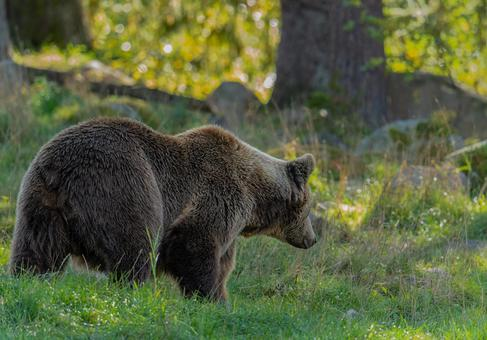
Why Bears Appear Near Human Areas
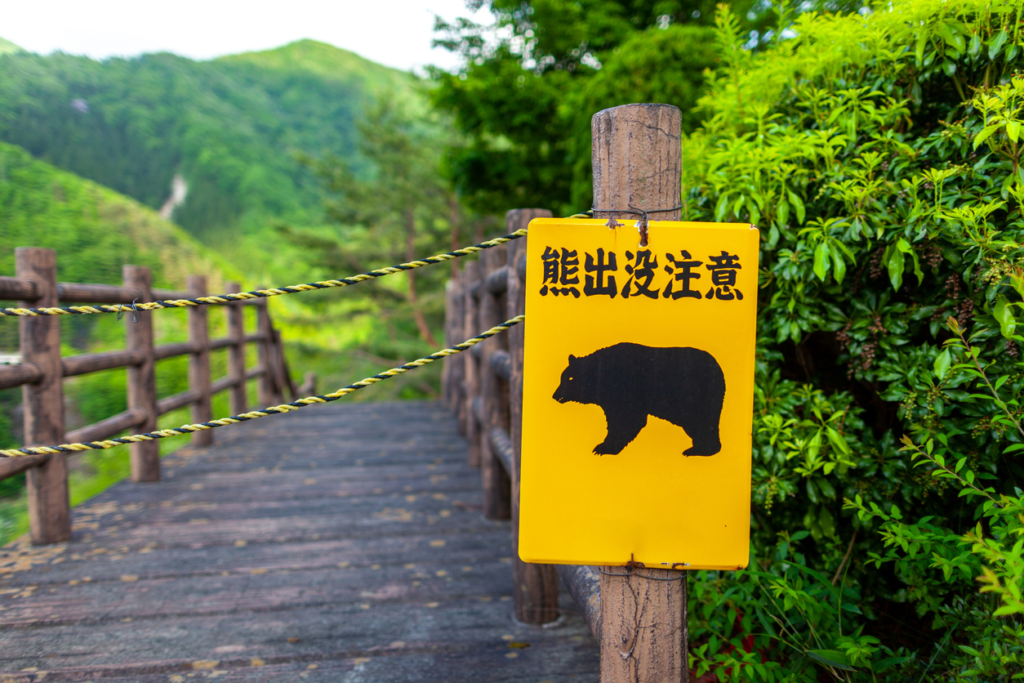
In Hakuba and the surrounding Northern Alps region, bear sightings have increased due to multiple factors. These include reduced availability of nuts and fruits in mountain forests, changes in habitat caused by climate conditions, and the close proximity between forests and residential or tourist zones.
When food is scarce in the mountains, bears may move closer to human areas in search of easier food sources. Autumn is the most active season, as bears travel widely to prepare for hibernation.
Recent Sightings and Trends
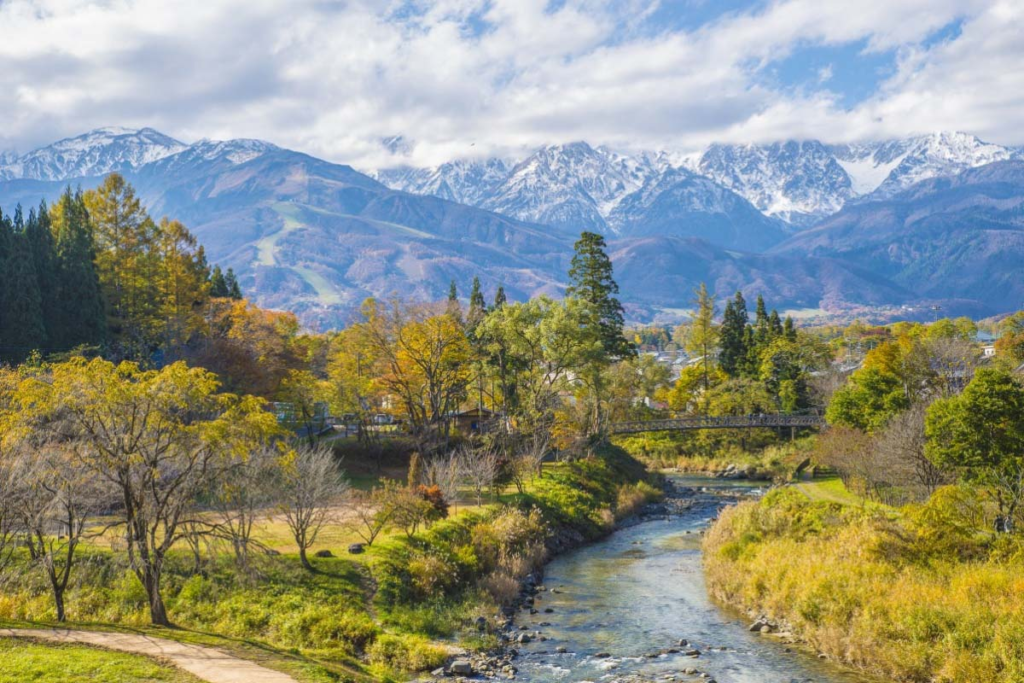
In recent years, multiple sightings have been reported within short periods, including several near residential zones of Hakuba. Across Nagano Prefecture, bear-related injuries have also occurred, mainly during farming, walking, or casual outdoor activities.
These incidents show that bear encounters are not isolated events. Visitors should assume that bears may appear and plan their behavior accordingly. This risk is not unique to Hakuba but applies broadly to mountainous regions throughout Nagano.
Areas with Higher Sighting Frequency
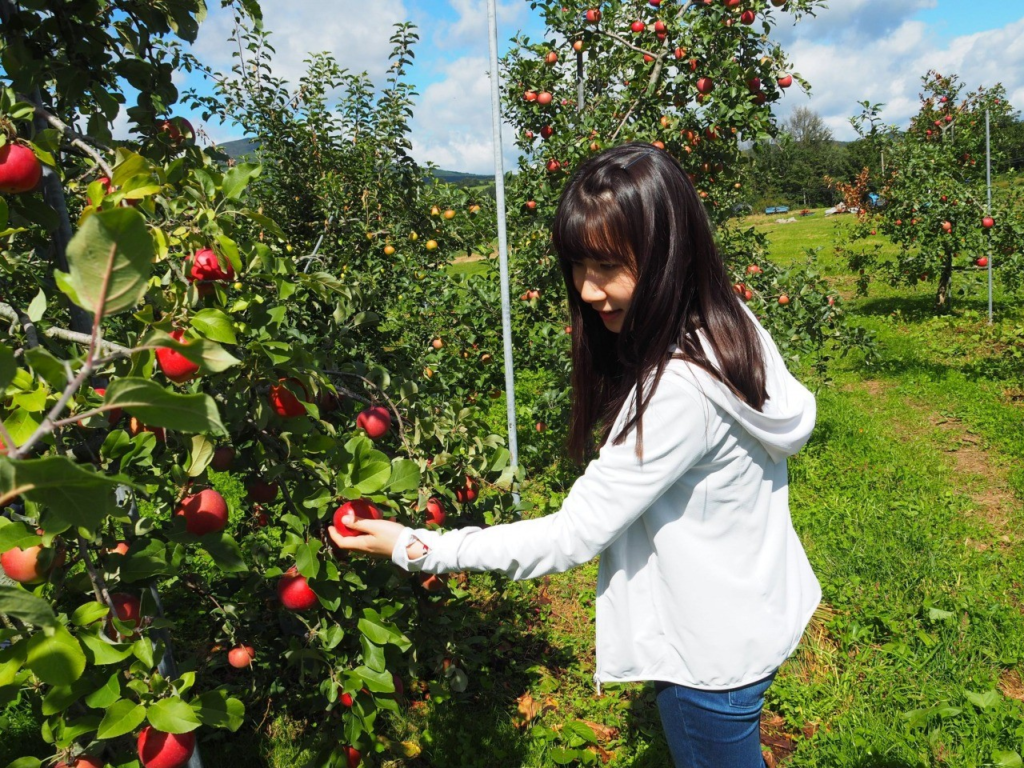
Sightings are most common near mountain-side settlements, orchards, farmland, and campgrounds. Bears are attracted to areas where food is available or where dense vegetation limits visibility. Reports of bear cubs during summer indicate the presence of mother bears nearby, which significantly increases risk.
Seasonal Patterns
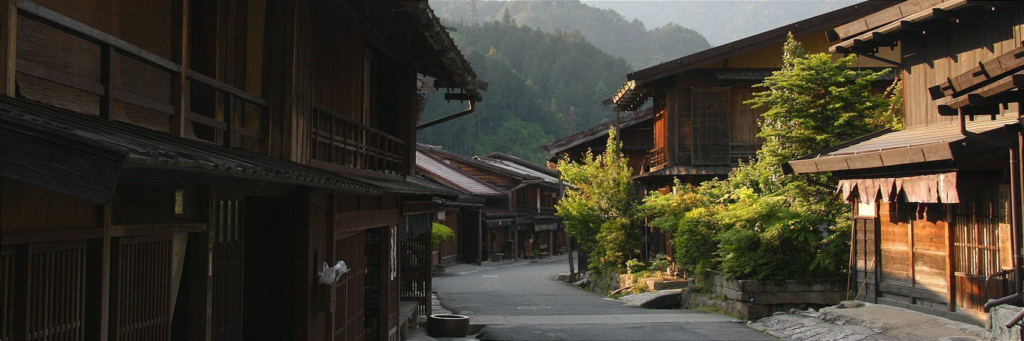
In spring, bears emerge from hibernation and may descend toward lower elevations in search of food. During summer, they generally stay deeper in the mountains, reducing encounter frequency. Autumn is the most dangerous period, as bears actively forage before winter and are more likely to enter human living areas.
From September through November, local authorities regularly issue bear alerts in Hakuba Village.
Reporting Sightings
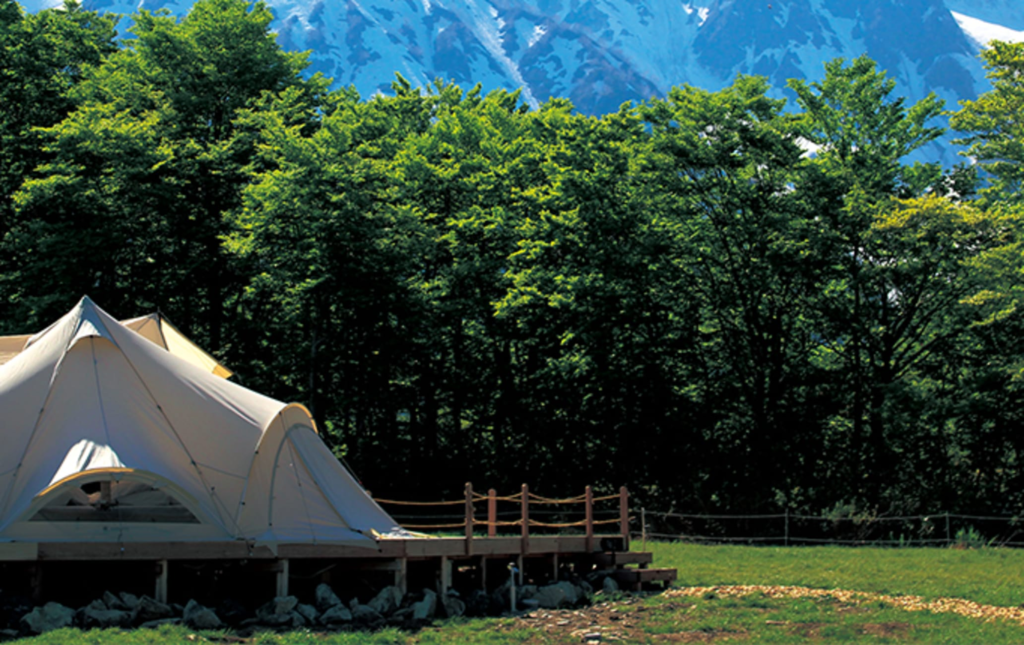
Anyone who sees a bear should immediately contact the Hakuba Village Office or local police. Reporting the time, location, size, number of bears, and direction of movement helps authorities update safety alerts and protect both residents and visitors.
Risks and Dangers of Bear Encounters
Bear Behavior
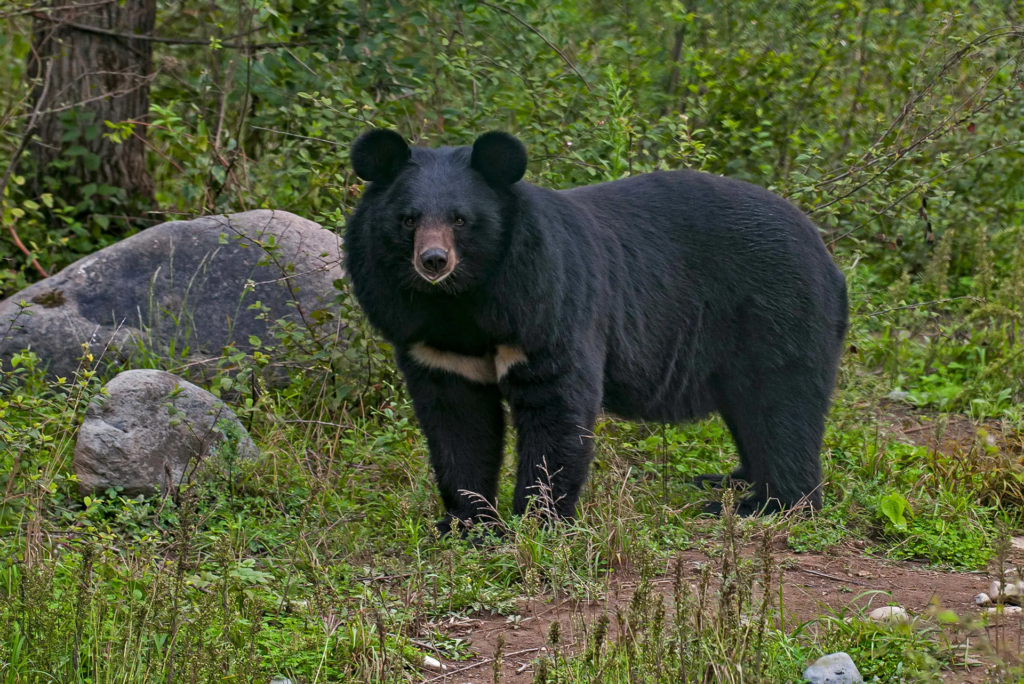
Asiatic black bears are typically cautious and avoid humans. However, they may behave aggressively if surprised, hungry, or protecting cubs. Mother bears are especially defensive and pose the highest risk.
Possible Risks
Risks include physical injury from an attack, falls caused by panic, and ongoing safety issues if bears become accustomed to human food. Bears that associate people with food are more likely to return repeatedly to residential areas.
Past Incidents in Nagano
Bear-related injuries are reported almost every year across Nagano Prefecture. Many occur during routine activities such as walking or farm work, not only during mountain hiking. This highlights the importance of caution even in everyday settings.
Warning Signs
Standing upright, low growling, pawing the ground, body swaying, or direct staring are warning signs that a bear feels threatened. If these behaviors are observed, calmly increase distance and avoid sudden movements.
How to Reduce Encounter Risk
Daily Prevention Measures
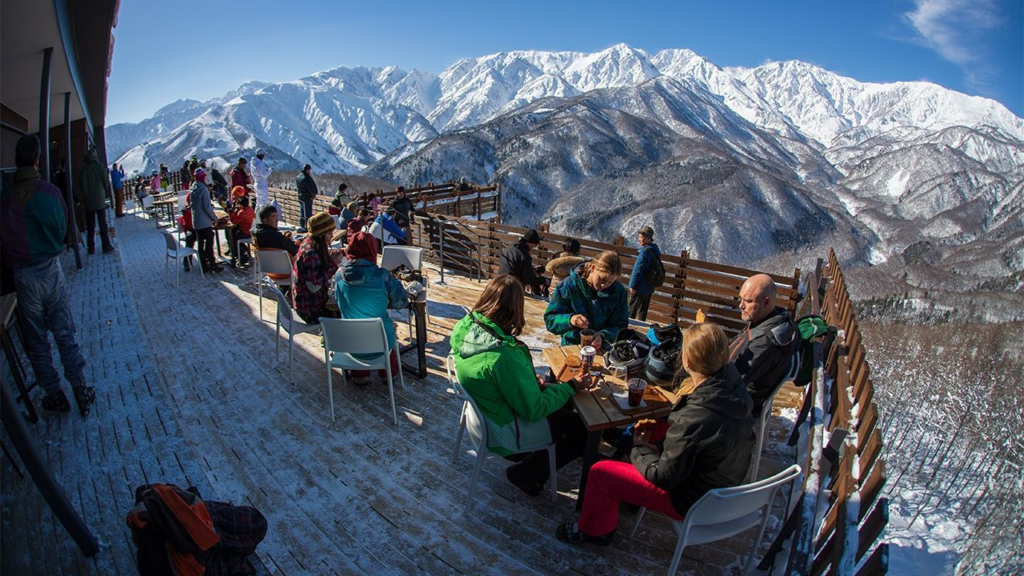
Keeping vegetation trimmed, securing garbage, avoiding leaving harvested fruit outdoors, and checking local alerts greatly reduce encounter risk. Avoid solitary activity early in the morning or at night. Removing food attractants is the most effective prevention method.
Bear Deterrent Tools
Bear bells are widely used and effective for alerting bears to human presence. Bear spray is carried by some hikers, but proper knowledge and training are essential before use. Portable sound devices can also help prevent surprise encounters.
Walking and Hiking Safely
Walk during daylight hours whenever possible and travel in groups. Make noise by talking or clapping to avoid surprising bears. Store food in sealed containers and never leave leftovers in nature.
Local Zoning and Safety Measures
Hakuba Village uses zoning management based on bear activity levels. Measures include surveillance cameras, orchard management, and regular information sharing to maintain a safe distance between people and wildlife.
What to Do If You Encounter a Bear

Immediate Actions
Stay calm. Do not run or shout. Avoid provoking the bear and slowly back away while keeping it in sight. Move toward open areas if possible.
Appropriate Response
Observe the bear’s behavior carefully. If warning signs appear, do not approach. If you are in a group, stay together. Use trees or rocks as barriers to increase distance. Never turn your back and run.
Emergency Contacts
All sightings should be reported immediately to the Hakuba Village Office or local police. Accurate information helps protect the community and other visitors.
Living Safely Alongside Wildlife

Village Management and Education
Hakuba Village has wildlife management plans to balance safety and environmental conservation. These include warning zones, signage, monitoring systems, and educational efforts for residents and visitors.
Environmental Improvements
Regular vegetation management, fruit tree maintenance, and improved waste disposal reduce attractants and lower encounter risk. These daily efforts play a major role in long-term safety.
Hakuba as a Tourist Destination
Hakuba Village publishes updated bear sighting information so visitors can stay informed. By understanding local risks and following basic precautions, visitors can safely enjoy the area’s natural beauty.
Summary
Bear sightings in Hakuba Village have increased, making awareness and preparation essential.
Understanding seasonal patterns and following simple precautions such as making noise, securing food, and avoiding solitary activity can significantly reduce risk.
By staying informed and acting responsibly, visitors can enjoy Hakuba’s rich natural environment safely and with confidence.