 Handn blog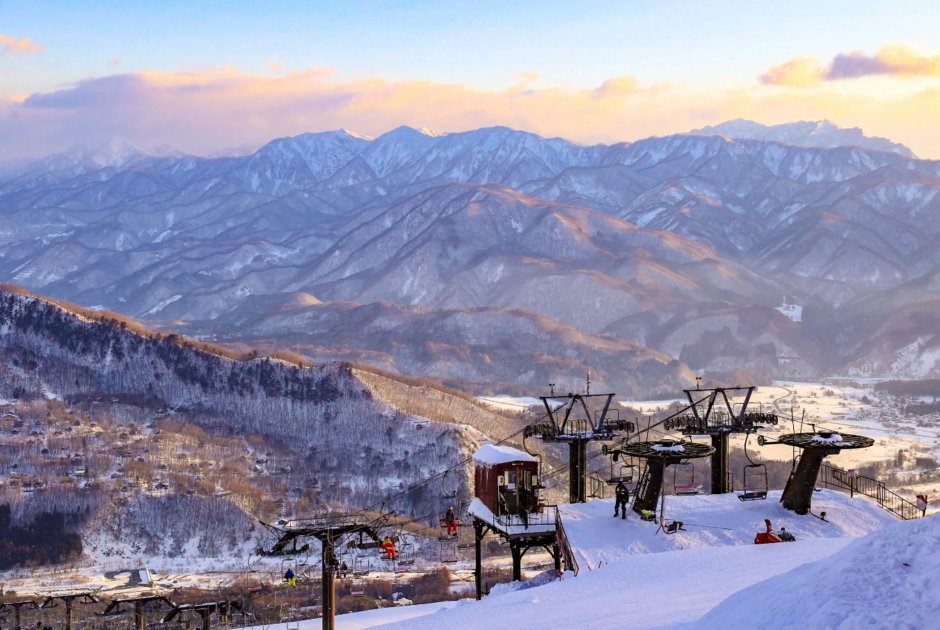
Hakuba Village is a nature-rich destination located at the base of the Northern Japanese Alps. It is well known as a summer retreat, an autumn foliage spot, and one of Japan’s premier winter ski resorts. Thanks to its seasonal variety, Hakuba attracts visitors year-round.
For travelers planning a trip, however, common questions often arise. When does it start getting cold in Hakuba? When does the first snow fall? When is the best time to see autumn leaves? Because Hakuba sits at a higher elevation than most major cities in Japan, temperatures drop earlier and faster. Without proper preparation, visitors may find the weather colder than expected.
This article explains when Hakuba becomes cold, when the first snow usually arrives, the best timing for autumn foliage, and how to prepare for each season so you can enjoy your stay comfortably.
Climate Characteristics of Hakuba
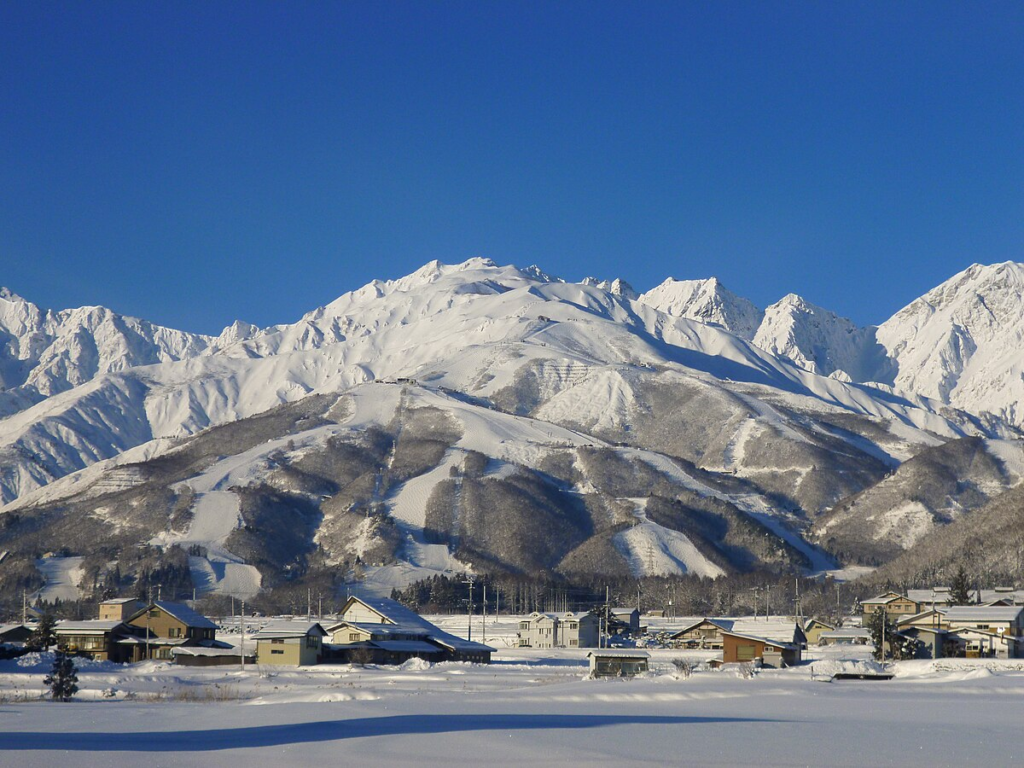
Hakuba Village lies at an elevation of approximately 700 to 800 meters above sea level. It has a typical alpine climate, with cool summers and very cold winters. The annual average temperature is around 9°C, which is significantly lower than urban areas such as Tokyo. Even in midsummer, temperatures rarely exceed 30°C, while winter temperatures can drop close to -10°C.
Annual precipitation is relatively high, with heavy rainfall during the rainy season and summer months, followed by substantial snowfall in winter. Compared to cities, Hakuba often feels one season ahead, meaning cooler temperatures arrive earlier in the year. Understanding this difference is key to planning a comfortable trip.
When Does It Get Cold in Hakuba?
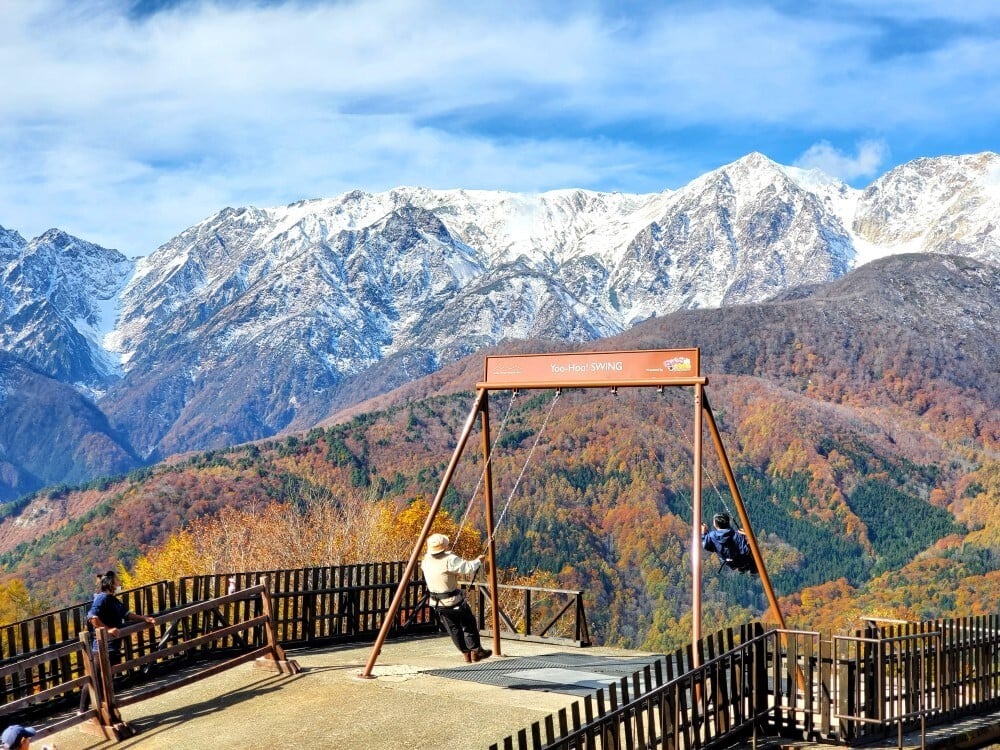
Temperatures in Hakuba begin to cool noticeably from September, with full autumn chill arriving in October.
In September, average temperatures are around 18°C. Days are pleasant, but mornings and evenings can be cool, making long sleeves necessary.
In October, average temperatures drop to around 12°C. This feels similar to November in Tokyo, and sweaters or jackets are essential, especially in the mornings and evenings.
By November, average temperatures fall to around 6°C, and nighttime temperatures often drop below freezing. Warm coats, scarves, and proper cold-weather clothing become necessary.
Many visitors are surprised by how quickly Hakuba cools down. October already feels like the start of winter, and inadequate clothing can make sightseeing uncomfortable.
When Is the First Snow in Hakuba?
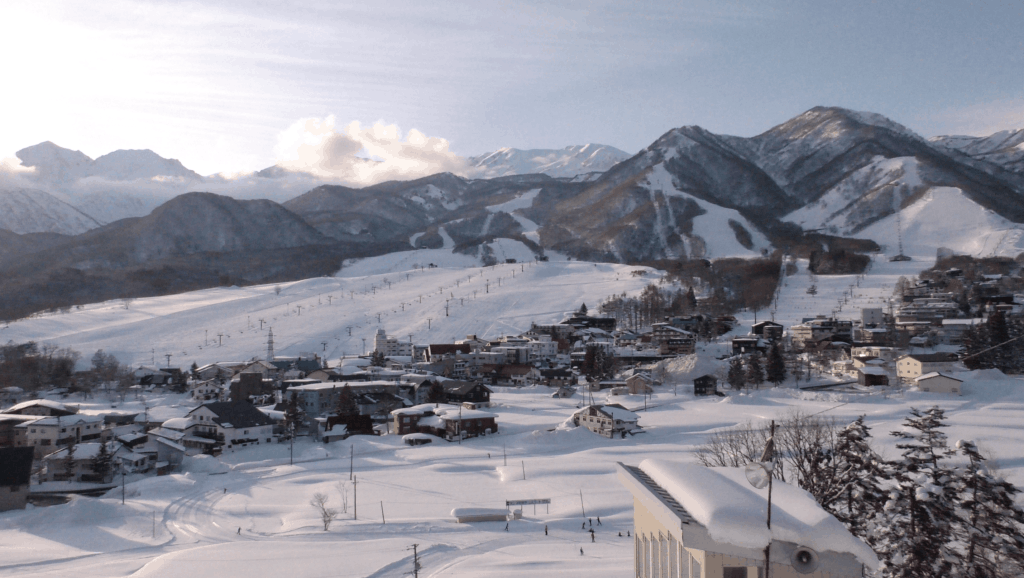
The first snowfall in Hakuba usually occurs between early and mid-November. In the higher mountain areas, light snowfall can begin as early as late October. Within the village, snow-covered scenery typically appears by November.
By December, snowfall becomes more stable, marking the beginning of the full ski season. Major ski resorts such as Hakuba Happo-One and Tsugaike Kogen are internationally known for their high-quality snow, and winter sports enthusiasts begin arriving from late November onward.
The first snow season is a transitional period when tourism and winter sports overlap, making proper cold-weather preparation especially important.
When Is the Best Time to See Autumn Leaves in Hakuba?
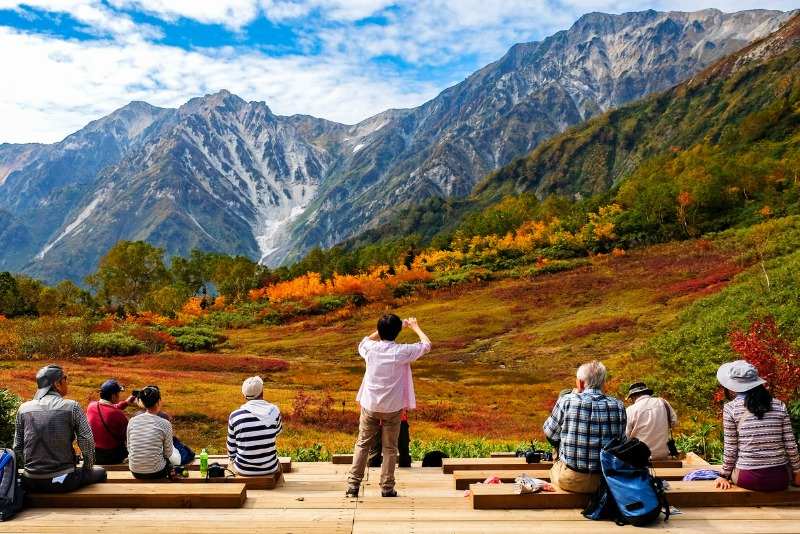
Because of the elevation differences, autumn foliage appears at different times depending on location.
From late September to early October, autumn leaves begin in higher elevations such as alpine areas and nature parks.
In mid-October, popular sightseeing spots including mountain slopes and scenic viewpoints reach their peak.
From late October to early November, foliage spreads to lower village areas and surrounding hills, allowing visitors to enjoy autumn colors throughout the town.
This gradual progression allows for a long foliage season, making Hakuba particularly appealing for photography and nature walks.
What to Wear and How to Prepare by Season
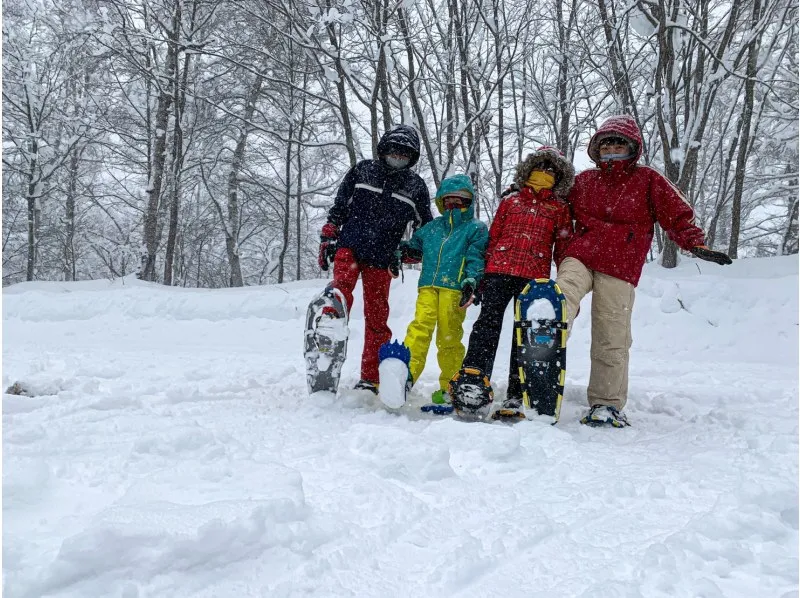
Proper clothing is essential for a comfortable visit to Hakuba.
In autumn from September to November, long-sleeve shirts are recommended, with sweaters and jackets needed from October onward. For hiking during foliage season, warm outerwear and sturdy walking shoes are ideal.
During early snow season in November, temperatures frequently drop below freezing. Heavy coats, gloves, scarves, and waterproof footwear are strongly recommended.
In winter from December to February, down jackets, snow boots, and thermal accessories are essential. Visitors planning winter sports should also choose high-insulation base layers.
Checking the weather forecast shortly before travel helps ensure appropriate preparation.
Enjoying Autumn and Winter Through Vacation Home Stays
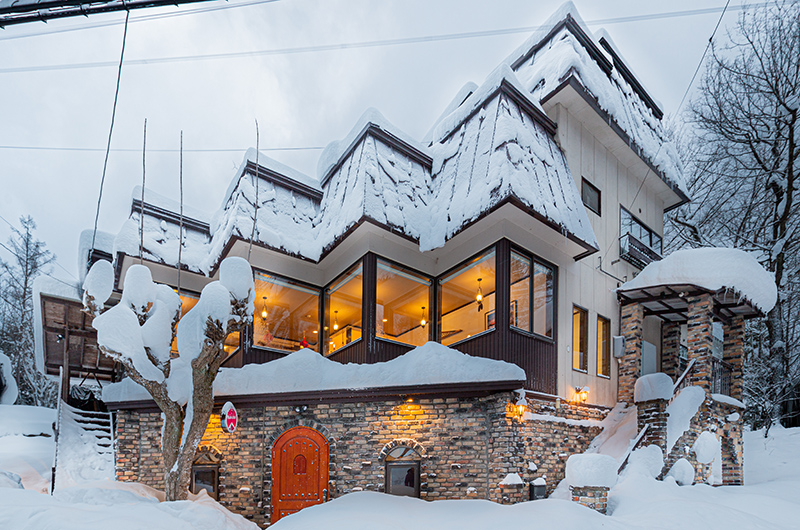
For those staying longer or traveling with family or friends, vacation home stays offer a comfortable way to experience Hakuba in autumn and winter.
During the foliage season, guests can relax in a private living space while enjoying views of colorful mountains. Properties with kitchens allow visitors to cook with local ingredients, creating a more relaxed and personal experience.
In winter, returning to a warm vacation home after skiing or snowboarding is one of Hakuba’s greatest pleasures. Features such as fireplaces or floor heating add comfort, while flexible schedules allow guests to enjoy the area at their own pace. For group travel, vacation homes provide both privacy and convenience that hotels often cannot.
Summary
Hakuba begins cooling down in September, with noticeable cold arriving in October. The first snow typically falls between early and mid-November, while autumn foliage can be enjoyed from late September through early November. Because seasonal changes arrive earlier than in urban areas, careful preparation is essential.
For travelers seeking both comfort and flexibility, vacation home stays offer an ideal way to enjoy Hakuba’s natural beauty. Experiencing autumn leaves or early snowfall in a private setting creates a memorable stay that goes beyond traditional accommodation options.