 Handn blog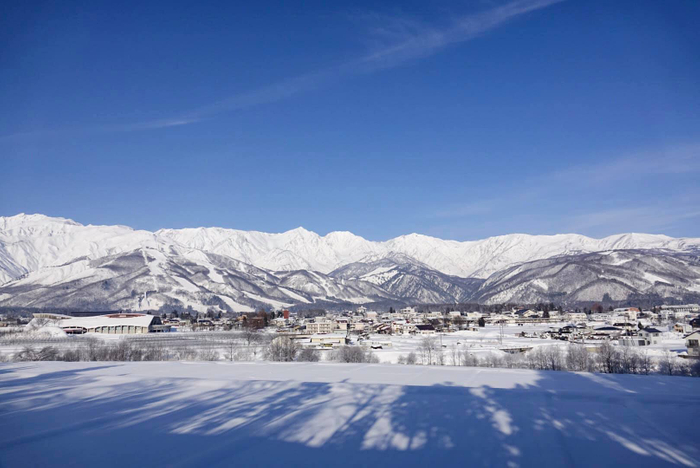
Hakuba Village is one of Japan’s most famous snow destinations, attracting skiers, snowboarders, and winter travelers from around the world. If you are planning a trip or considering a vacation home, one of the most common questions is simple: when does it start snowing in Hakuba, and how long does the snow last?
While the exact timing varies slightly each year, Hakuba follows a fairly consistent seasonal pattern. Understanding this pattern helps visitors choose the right travel period, prepare for driving conditions, and avoid unexpected weather surprises.
This guide explains when snow begins, when it peaks, and when it finally disappears, along with seasonal tips for travelers.
When Snow Starts in Hakuba
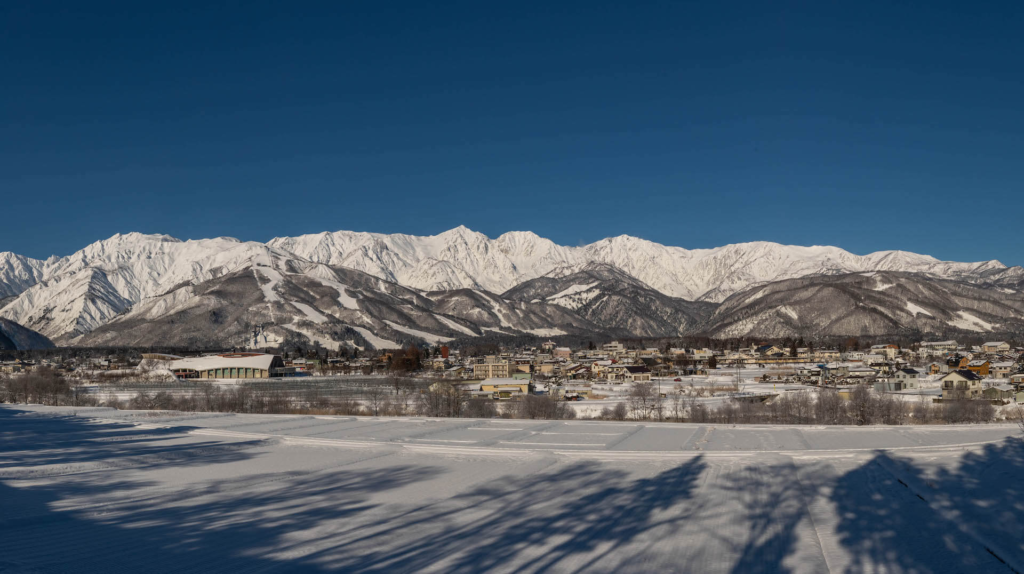
Snow in Hakuba usually begins in the mountains first. From late October, the peaks of the Northern Japanese Alps often receive their first snowfall. These early snowfalls are usually light, but they signal the approaching winter season.
In the village and town areas, snow typically starts falling between early and mid-November. At first, snowfall may be occasional, with light accumulation that melts quickly. By late November, snow begins to settle more consistently on roads, rooftops, and gardens, marking the true start of winter in Hakuba.
When Snowfall Becomes Heavy
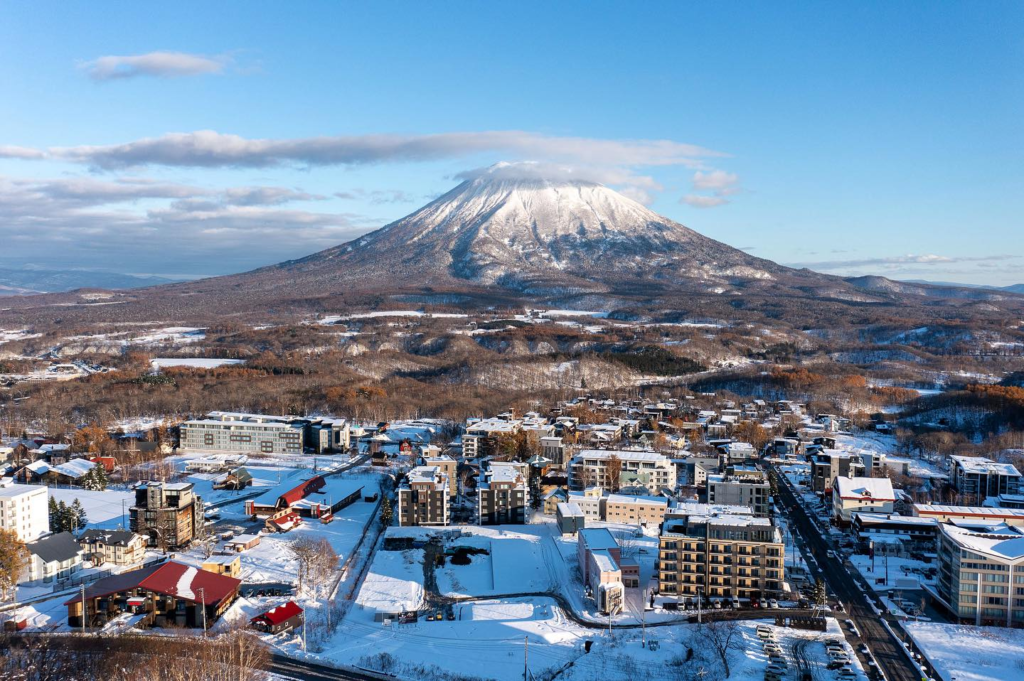
December marks the transition into a stable winter season. Temperatures drop, snowfall becomes more regular, and ski resorts begin opening, often from early December onward.
The peak snow season in Hakuba is January and February. During this period, snowfall is frequent and temperatures remain low, allowing snow to accumulate and stay on the ground. The village is fully covered in snow, creating the classic winter scenery Hakuba is known for.
For visitors driving during this time, winter tires and proper snow equipment are essential, as icy roads are common.
When Snow Starts to Melt
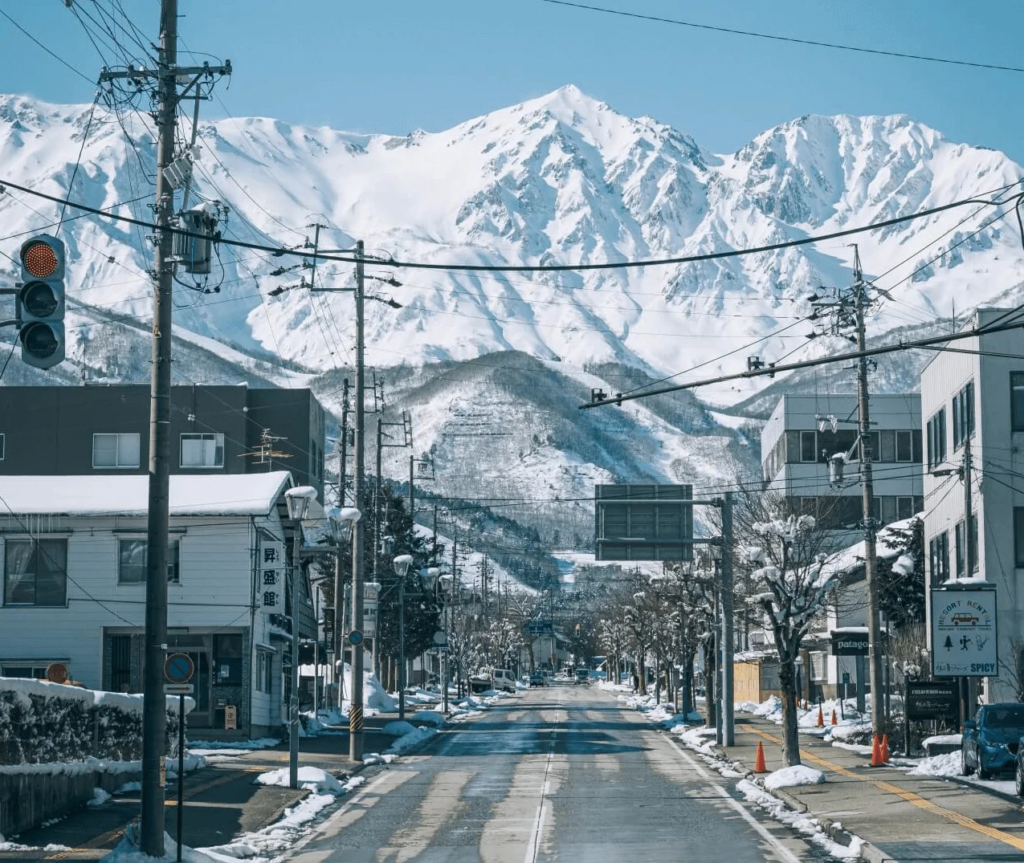
In March, daytime temperatures gradually rise, although mornings and evenings often remain below freezing. Snowfall can still occur, but accumulated snow begins to melt slowly, especially in lower elevations.
By early to mid-April, most residential and village areas are largely snow-free. Gardens, parking areas, and local roads clear up, and many residents begin switching back to summer tires. However, higher elevations and mountainous areas continue to hold snow well into spring.
When Snow Completely Ends
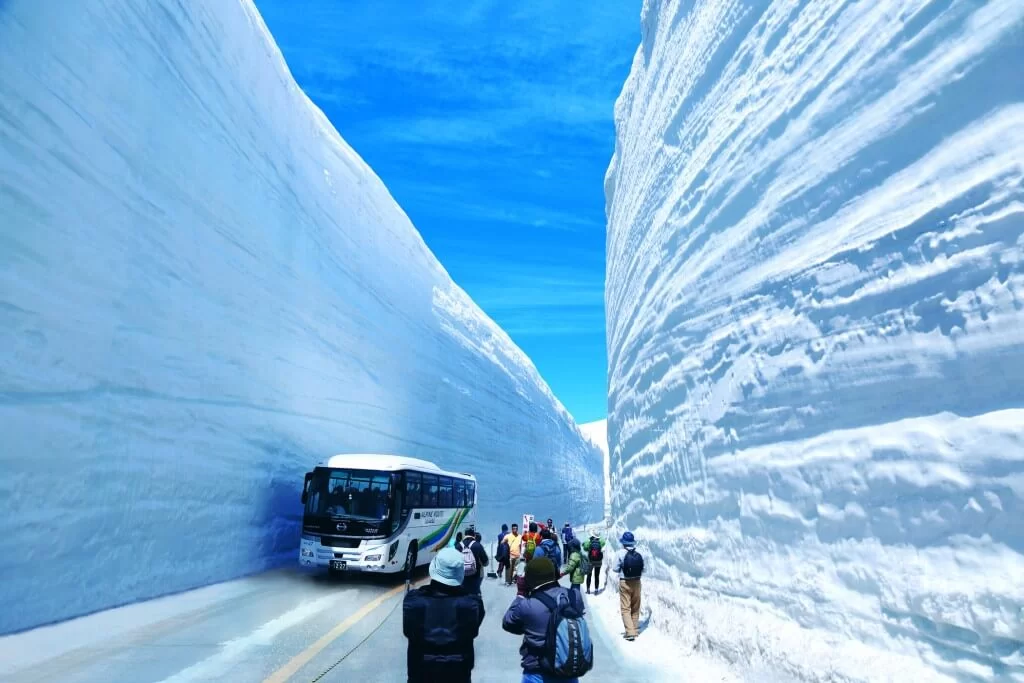
For Hakuba Village as a whole, the snow season typically ends between late April and early May. While the village enters full spring, the surrounding mountains, including areas near ski resorts and alpine trails, often retain snow until May and sometimes even June.
Visitors during Golden Week can usually expect clear roads and snow-free town areas, but anyone heading into the mountains should still prepare for snow and cold conditions.
Seasonal Notes for Visitors
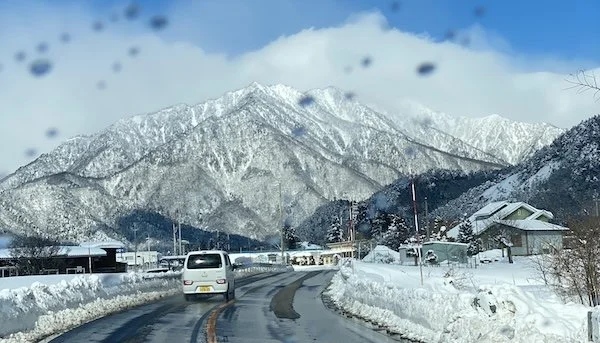
From November to December, sudden snowfall and road icing are common. Early winter preparation, especially for driving, is important.
January and February bring the heaviest snow and coldest temperatures. This is the best time for skiing but requires proper winter clothing and snow management, particularly for vacation homes.
March and April see warmer days and melting snow. Temperature differences between day and night can make roads slippery due to meltwater freezing.
In May, the village feels like spring, but snow remains at higher elevations. Hiking and mountain activities may still require snow gear depending on location.
Summary
In Hakuba Village, mountain snowfall often begins in late October, with village snowfall starting from early to mid-November. Stable winter conditions arrive in late November, and the snow season peaks from January to February. Snow gradually melts in spring, with village areas mostly clear by April, while mountain snow can last into May.
Understanding these seasonal patterns helps travelers plan safer trips, choose the best timing for activities, and enjoy Hakuba comfortably throughout the year.