 Handn blog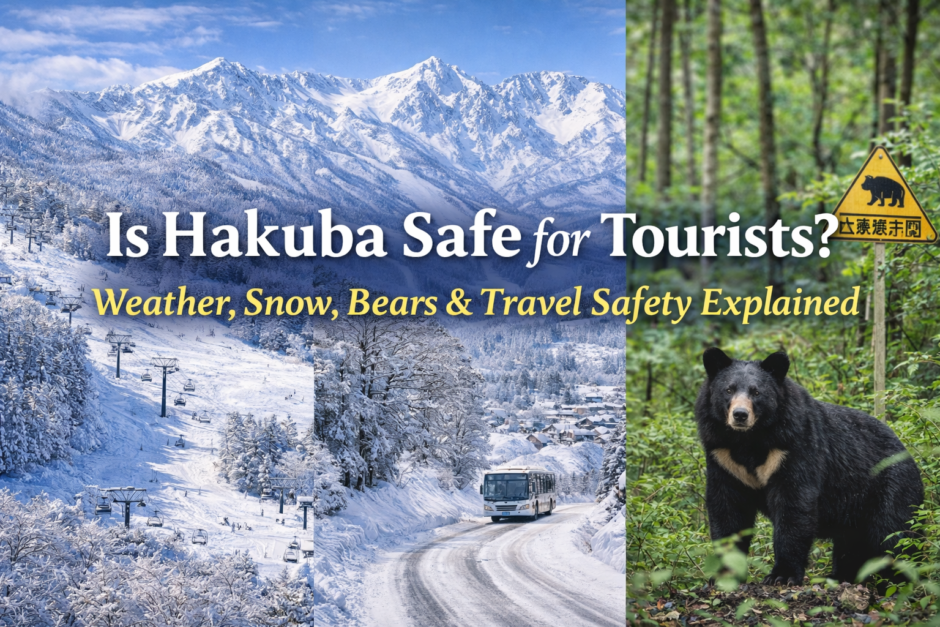
Hakuba Village is a popular mountain destination at the base of the Northern Japanese Alps. It attracts international visitors year-round for skiing, hiking, and long stays in nature.
A common question for first-time visitors is simple: Is Hakuba safe for tourists?
The short answer is yes. Hakuba is generally safe, provided visitors understand a few basic seasonal risks and follow local guidance.
This guide explains the main safety considerations—weather, snow, bears, and transportation—so you can travel with confidence.
Quick Safety Summary
If you read only one section, read this.
Hakuba is safe for tourists who prepare for seasonal conditions.
Winter requires snow awareness and proper driving equipment.
Autumn requires basic bear awareness, especially near forests.
Crime levels are very low, and medical and emergency services are reliable.
Most safety issues in Hakuba are environmental, not crime-related.
General Safety in Hakuba
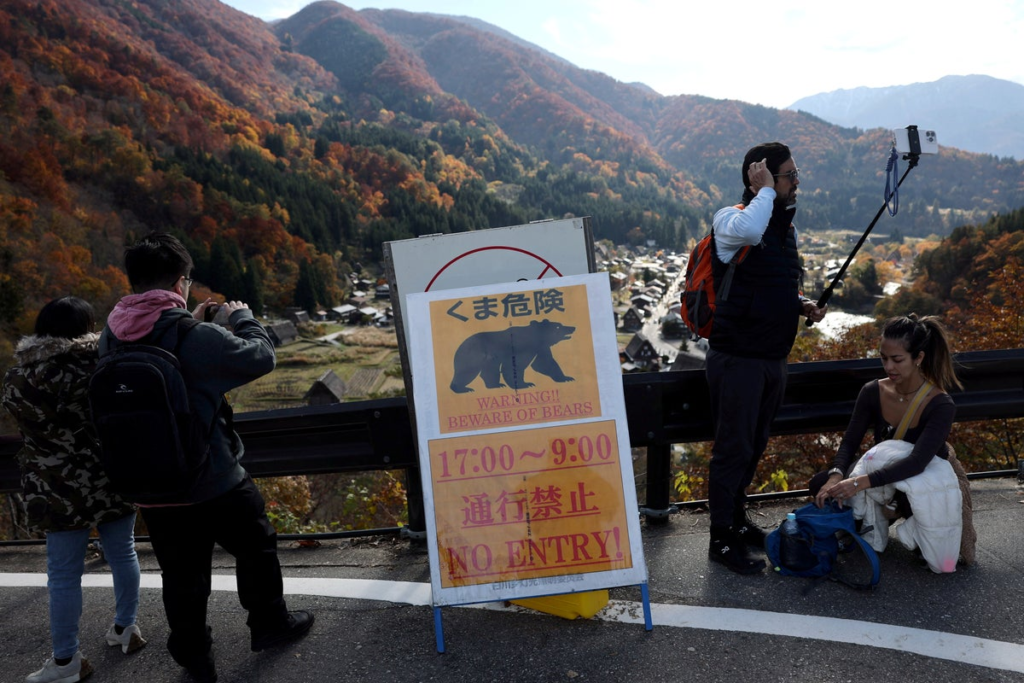
Hakuba is considered a very safe area by international standards. Violent crime is extremely rare, and the village is accustomed to hosting foreign visitors.
Walking alone during the day is safe, and even at night the village remains calm. Local residents are friendly, and tourist infrastructure is well developed.
Emergency services, including police, fire departments, and hospitals, are accessible, although response times may be slower in remote mountain areas compared to large cities.
Weather and Snow Safety
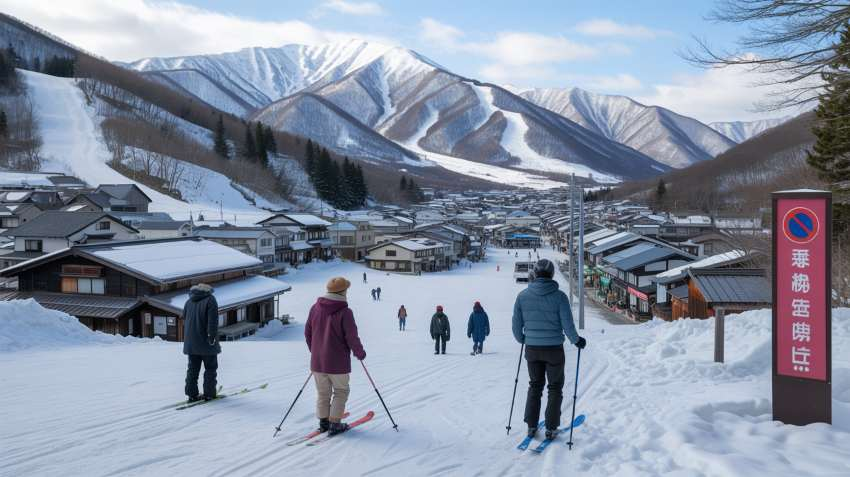
Winter is the season that requires the most preparation.
From December to March, heavy snowfall is common. Roads can be icy, visibility may drop quickly, and winter tires are essential if you plan to drive. Public transport operates reliably, but weather delays can occur during heavy snowstorms.
Pedestrians should wear proper winter footwear, as sidewalks can be slippery. Following weather forecasts and local advisories greatly reduces risk.
Bear Awareness and Wildlife Safety
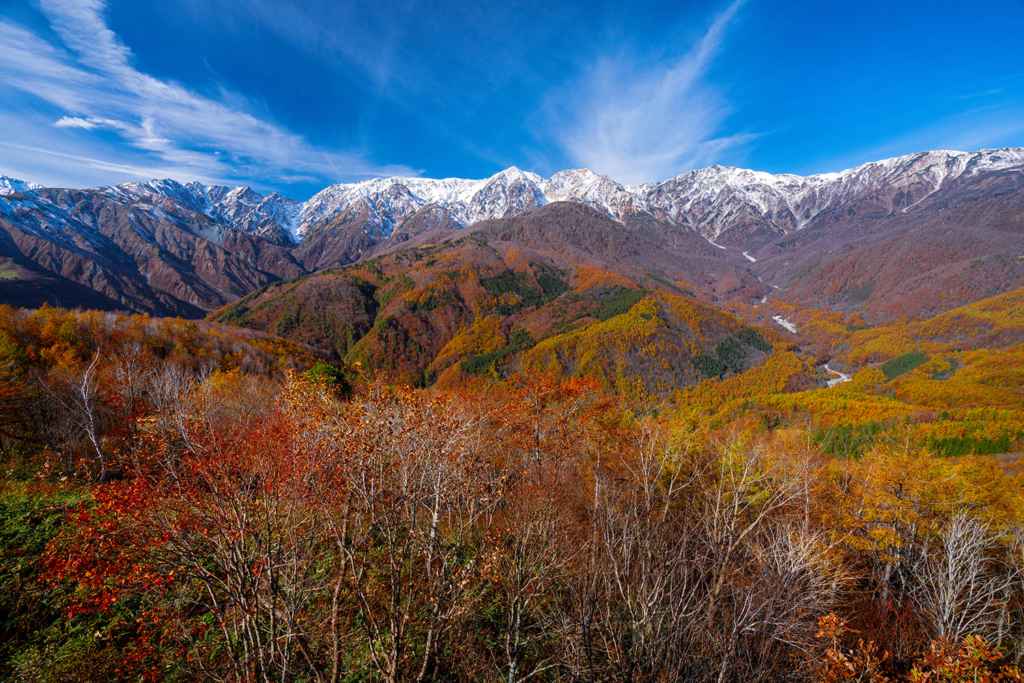
Asiatic black bears live in the mountains surrounding Hakuba. Sightings near residential or tourist areas have increased in recent years, particularly in autumn.
Bear encounters are uncommon, but they do happen. The highest-risk season is September to November, when bears forage before hibernation.
Bears are more likely to appear near forest edges, farmland, orchards, campgrounds, and mountain-side residential areas.
Visitors should make noise while walking, avoid early-morning or nighttime solo walks near forests, and store food securely. Bear bells are commonly used and effective.
What to Do If You Encounter a Bear
If you see a bear, stay calm and do not run. Slowly back away while keeping distance and avoid direct confrontation. Never approach a bear or attempt close photography.
If a sighting occurs near populated areas, report it to the Hakuba Village Office or local police. This helps protect other visitors and residents.
Transportation and Driving Safety
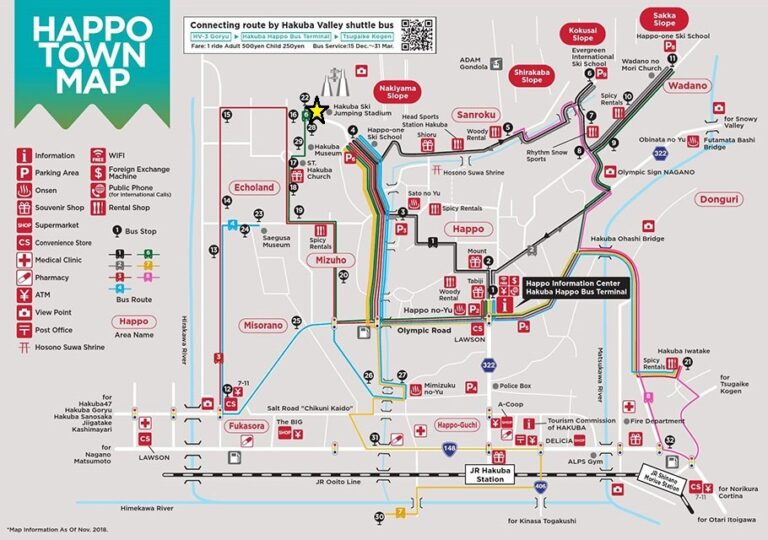
Driving in Hakuba is safe for experienced drivers who are properly equipped. In winter, snow tires are mandatory, and snow chains may be required during heavy snowfall.
Public buses and trains are reliable, making them a good option for visitors unfamiliar with winter driving.
In warmer months, mountain roads can be narrow and winding, so cautious driving is recommended year-round.
Natural Disasters and Emergency Preparedness
Like most of Japan, Hakuba is in a seismically active region. Earthquakes are possible, but serious incidents are rare, and buildings are constructed to strict safety standards.
Heavy rain can occur during the rainy season and typhoon periods, occasionally causing road closures. Monitoring local weather alerts and following official instructions ensures safety.
Summary
Hakuba Village is a safe destination for tourists, with very low crime rates and reliable infrastructure. The main safety considerations involve nature—snow, weather, and wildlife—rather than human-related risks.
By understanding seasonal conditions, preparing appropriately, and following local guidance, visitors can enjoy Hakuba’s mountains, villages, and outdoor activities safely and comfortably throughout the year.