 Handn blog
Japan is globally known for its light powder snow, well-organized ski resorts, and high safety standards.
At the same time, skiing in Japan follows a set of rules and cultural norms that are often very different from those in Europe, North America, or Australia.
Many international visitors run into trouble not because of bad intentions, but because they simply don’t know what is expected at Japanese ski resorts.
Below are 10 common mistakes to avoid on your Japan ski trip, explained clearly and practically for overseas visitors.
目次
- Mistake #1: Assuming Skiing Rules Are the Same as in Your Home Country
- Mistake #2: Skiing Outside Designated Areas (Out of Bounds)
- Mistake #3: Ducking Ropes to Chase Fresh Powder
- Mistake #4: Entering Closed Slopes
- Mistake #5: Stopping or Sitting in the Middle of a Run
- Mistake #6: Skiing Without Proper Travel Insurance
- Mistake #7: Ignoring Ski Etiquette and Lift Manners
- Mistake #8: Assuming English Support Is Always Available
- Mistake #9: Drinking Alcohol Before Skiing
- Mistake #10: Ignoring Cleanliness and Shared Space Rules
- Conclusion: How to Enjoy a Safe and Respectful Japan Ski Trip
Mistake #1: Assuming Skiing Rules Are the Same as in Your Home Country
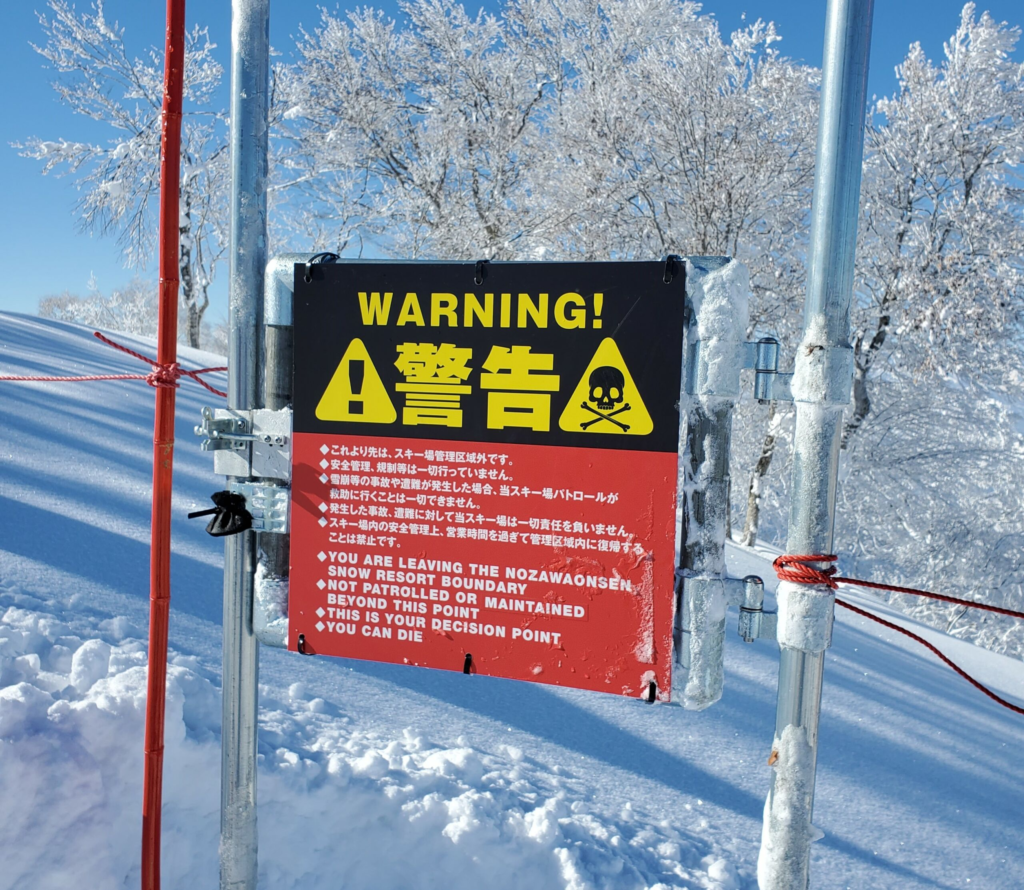
Key points
- Japanese resorts prioritize safety over freedom
- Rules are strictly enforced
- “Personal responsibility” logic does not always apply
In Japan, ski resorts operate under a clearly defined rule-based system.
Actions that may be tolerated elsewhere—such as skiing freely between marked runs—are often prohibited. Understanding this difference is the foundation of a smooth ski trip in Japan.
Mistake #2: Skiing Outside Designated Areas (Out of Bounds)
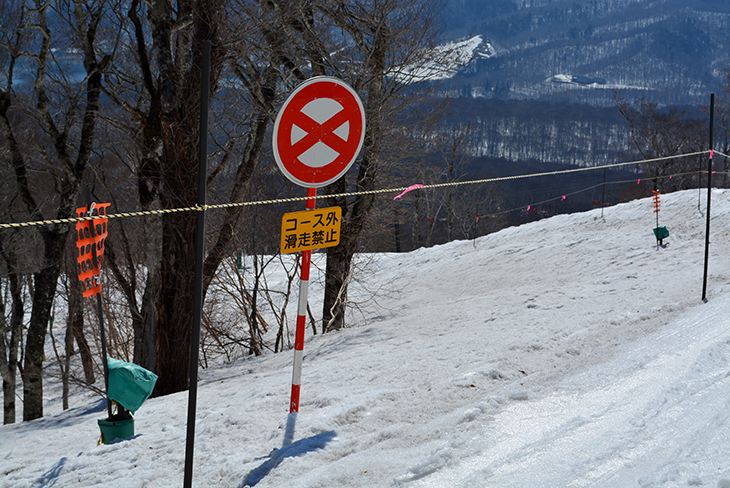
Key points
- Out-of-bounds skiing is often illegal
- Rope lines and warning signs must be respected
- Penalties can be immediate
Many Japanese resorts clearly separate skiable areas from restricted zones.
Crossing boundary ropes or entering “No Entry” areas can result in lift pass confiscation, fines, or rescue costs billed directly to the skier.
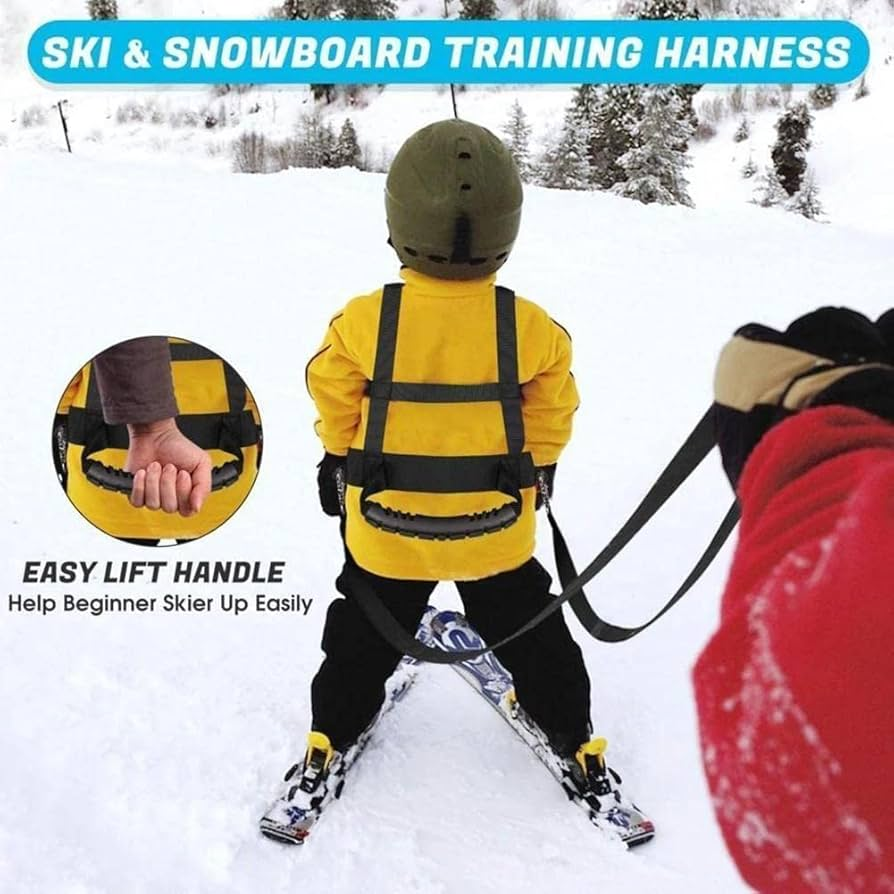
Mistake #3: Ducking Ropes to Chase Fresh Powder
Key points
- Rope ducking is considered serious misconduct
- Powder conditions do not override safety rules
- Enforcement is strict
While Japan is famous for powder snow, entering restricted areas to access it is not tolerated.
Ski patrols actively monitor high-risk zones, and once caught, there is rarely a warning phase.
Mistake #4: Entering Closed Slopes
Key points
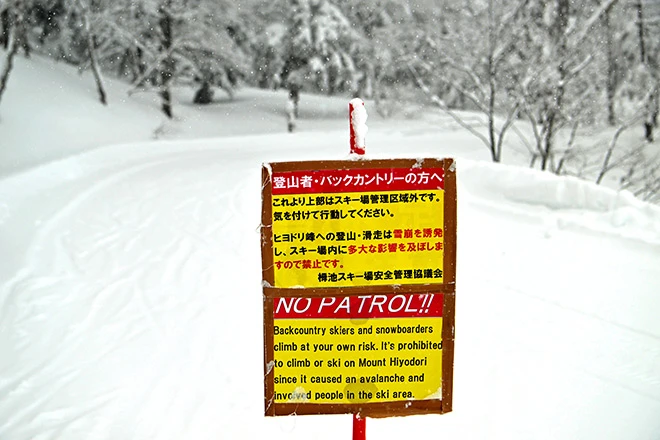
- Closed slopes are closed for safety reasons
- Avalanche control is common in Japan
- Insurance coverage may be void
Slope closures usually indicate avalanche risk, unstable snow conditions, or maintenance work.
Ignoring closures not only puts you at risk but also endangers rescue teams and may invalidate insurance claims.
Mistake #5: Stopping or Sitting in the Middle of a Run
Key points
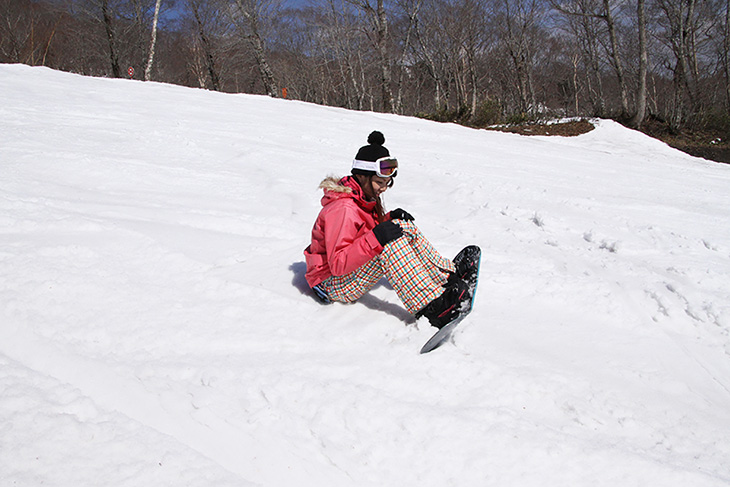
- Blind spots increase collision risk
- Narrow runs require continuous flow
- Proper stopping etiquette is expected
Always stop at the side of the run and in clearly visible areas.
Stopping in the middle of a slope—especially below steep sections—is considered dangerous and poor etiquette in Japan.
Mistake #6: Skiing Without Proper Travel Insurance
Key points
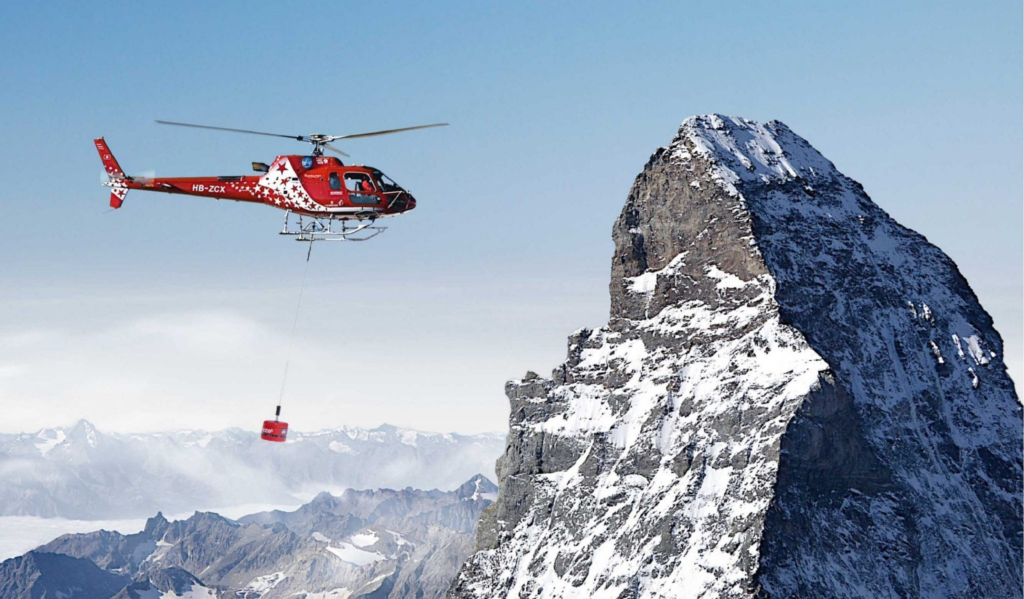
- Mountain rescue is not free
- Helicopter rescues are expensive
- Winter sports coverage is essential
In Japan, rescue operations are typically charged to the individual.
Travel insurance that explicitly covers skiing or snowboarding can prevent significant financial burden in the event of an accident.
Mistake #7: Ignoring Ski Etiquette and Lift Manners
Key points
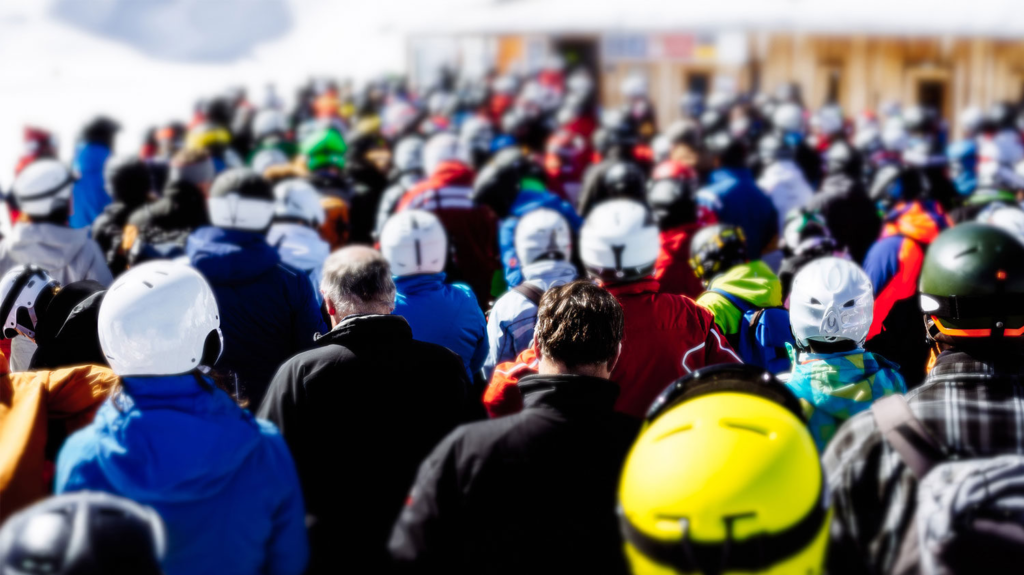
- Lift lines are orderly
- Cutting queues is unacceptable
- Loud or aggressive behavior stands out
Japanese ski culture emphasizes consideration for others.
Maintaining proper lift etiquette and calm behavior ensures a pleasant experience for everyone and avoids unnecessary conflict.
Mistake #8: Assuming English Support Is Always Available
Key points
- Not all staff speak English
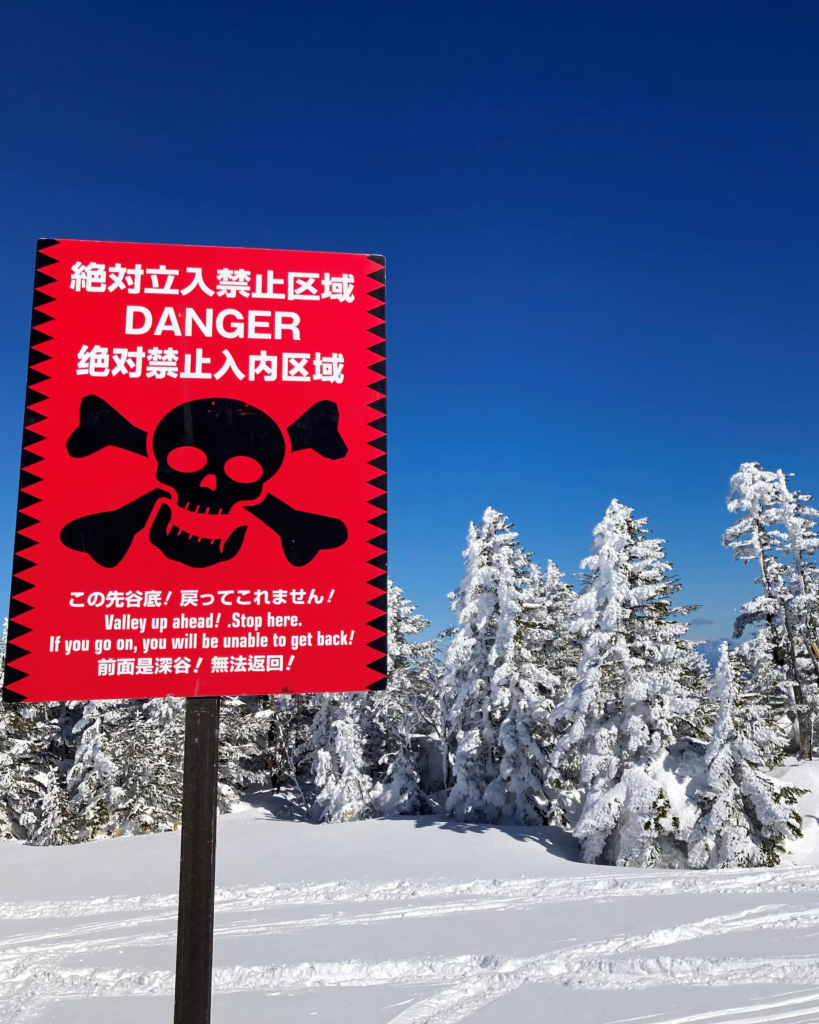
- Some signs are Japanese-only
- Visual symbols are important
While major resorts provide English assistance, smaller areas may not.
Learning basic symbols—such as prohibition and caution signs—greatly improves safety and confidence on the mountain.
Mistake #9: Drinking Alcohol Before Skiing

Key points
- Alcohol increases accident risk
- Legal responsibility may increase
- Insurance claims may be denied
Drinking before skiing is strongly discouraged.
If an accident occurs while intoxicated, legal and insurance consequences can be severe.
Mistake #10: Ignoring Cleanliness and Shared Space Rules
Key points
- Japan values cleanliness highly
- Trash disposal rules are strict
- Public behavior reflects on visitors
Leaving trash on slopes or in resort areas is considered disrespectful.
Following basic cleanliness rules helps maintain the quality of the resort environment for everyone.
Conclusion: How to Enjoy a Safe and Respectful Japan Ski Trip
A ski trip to Japan can be one of the most rewarding winter experiences in the world—but only if you understand how Japanese ski resorts operate.
To summarize:
- Follow resort rules without exception
- Respect boundaries, closures, and signage
- Prioritize safety and etiquette
- Prepare with proper insurance and basic knowledge
By respecting Japan’s unique ski culture and safety standards, you gain access to exceptional powder, well-managed resorts, and a stress-free skiing experience.
Respect the rules, respect the culture, and Japan will reward you with unforgettable skiing.