 Handn blog
Tokyo is widely regarded as one of the greatest food cities in the world. With more Michelin stars than any other city and an extraordinary range of dining experiences—from intimate sushi counters to energetic ramen shops—Tokyo represents the full spectrum of Japanese culinary excellence.
This guide explores 12 essential Japanese dishes you should experience in Tokyo. Rather than simply listing restaurants, this article explains the historical background, defining techniques, and cultural significance behind each dish, followed by carefully selected restaurants featured in the reference video.
The Evolution of Japanese Cuisine
Japanese cuisine evolved through preservation techniques, foreign influence, modernization, and post-war innovation.
Early Japanese food culture was shaped by fermentation and preservation. The earliest form of sushi, known as narezushi, preserved fish in fermented rice. Over time, vinegar replaced long fermentation, giving rise to faster preparations and eventually Edo-style sushi.
Foreign influence also played a critical role. Tempura arrived from Portuguese traders in the 16th century. Ramen evolved from Chinese wheat noodles. Beef dishes such as sukiyaki gained popularity during the Meiji era when Japan embraced Western dietary practices.
After World War II, rapid urbanization accelerated culinary specialization. Teppanyaki emerged as a counter-style dining experience. Yakiniku refined grilled meat culture around premium wagyu. Ramen diversified into regional and stylistic variations. Tokyo became the epicenter of these developments.
Why Tokyo Became Japan’s Culinary Capital
During the Edo period, Tokyo (formerly Edo) was one of the largest cities in the world. Access to seafood from Tokyo Bay supported sushi’s evolution. High population density encouraged specialization and fierce competition among chefs.
Today, Tokyo continues to lead in precision, refinement, and innovation. The city’s culinary depth is unmatched.
12 Must-Try Foods in Tokyo
1. Sushi – Edomae Precision
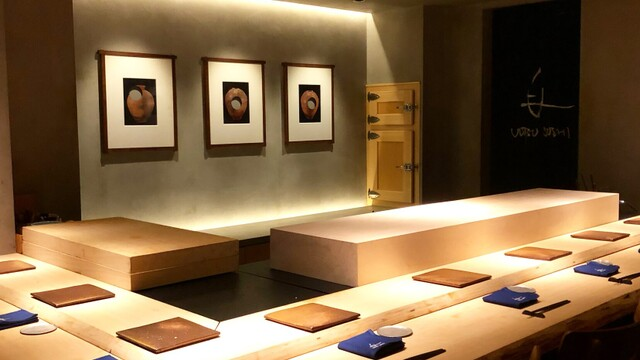
Recommended restaurant: 鮨 宇田津
Modern sushi evolved from preservation into a highly technical craft.
The rice (shari) is fundamental—its temperature, vinegar balance, and texture determine overall harmony. At high-end counters, chefs may introduce creative touches such as straw-smoked fatty tuna or innovative pairings.
Price range: ¥20,000–¥40,000 for omakase.
2. Ramen – From Street Food to National Icon
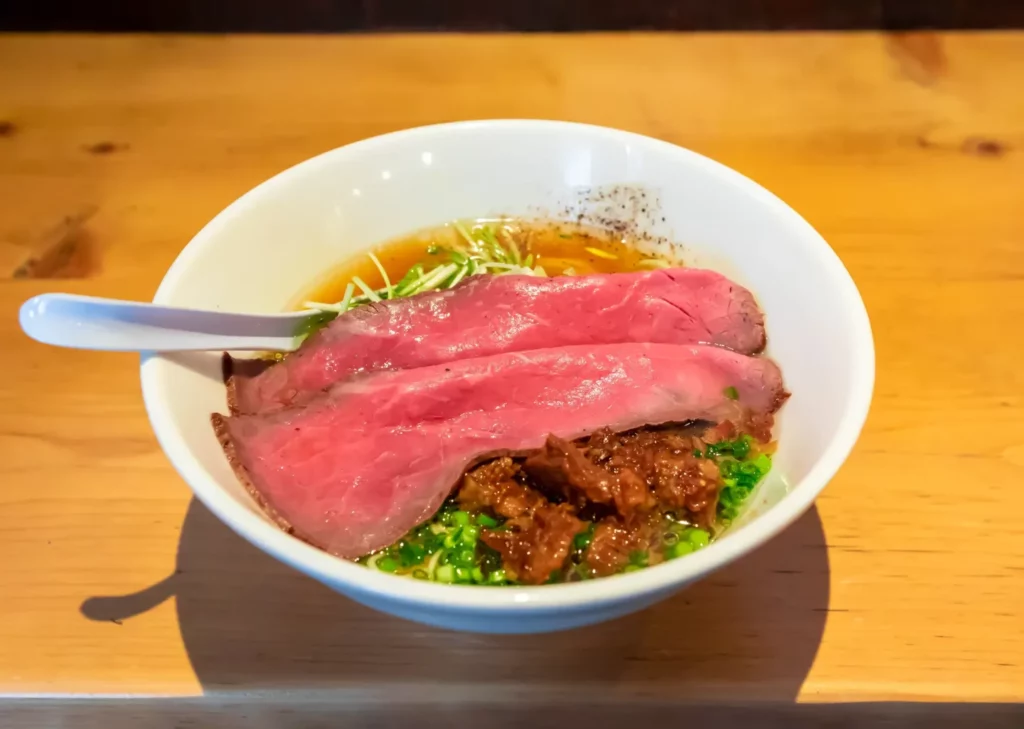
Recommended restaurant: 麺屋 西川
Ramen evolved from Chinese noodles into one of Japan’s most beloved comfort foods. Tokyo showcases innovative bowls featuring beef-and-pork broth blends and unconventional toppings such as roast beef.
Price range: ¥1,000–¥1,500.
3. Tonkatsu – Crispy Precision
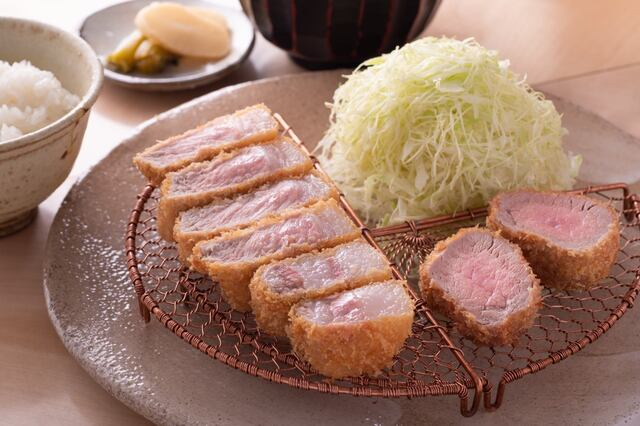
Recommended restaurant: トンカツ.jp
A Japanese adaptation of Western cutlets, tonkatsu now emphasizes pork breed selection and precise frying techniques. The goal is a crisp exterior and juicy interior.
Price range: ¥3,000–¥5,000.
4. Yakiniku – A5 Wagyu Excellence
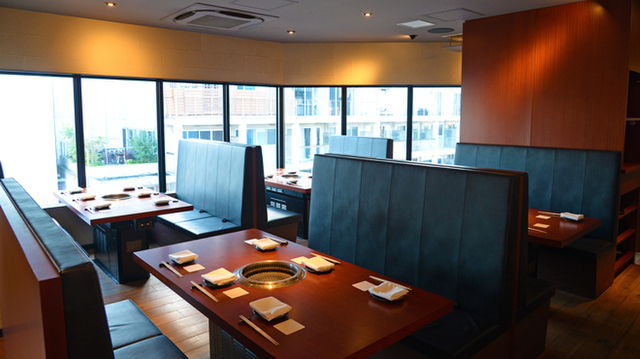
Recommended restaurant: 蕃 YORONIKU
Yakiniku highlights premium A5 wagyu with delicate marbling and low melting points. Skilled staff often cook the meat to ensure optimal texture.
Price range: ¥10,000–¥25,000.
5. Sukiyaki – Sweet and Savory Indulgence
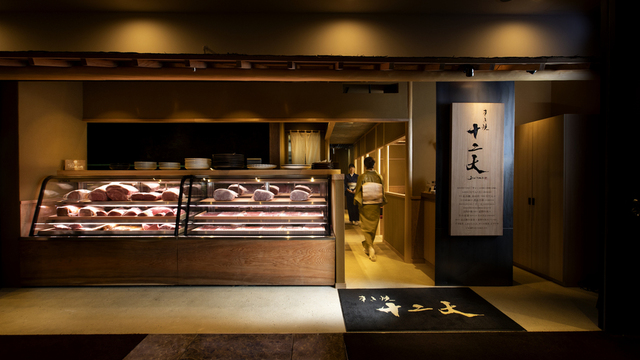
Recommended restaurant: すき焼 十二天
Developed during Japan’s modernization, sukiyaki features thinly sliced wagyu simmered in sweet soy broth and dipped into raw egg to mellow intensity.
Price range: ¥15,000–¥30,000.
6. Udon – Texture-Focused Simplicity
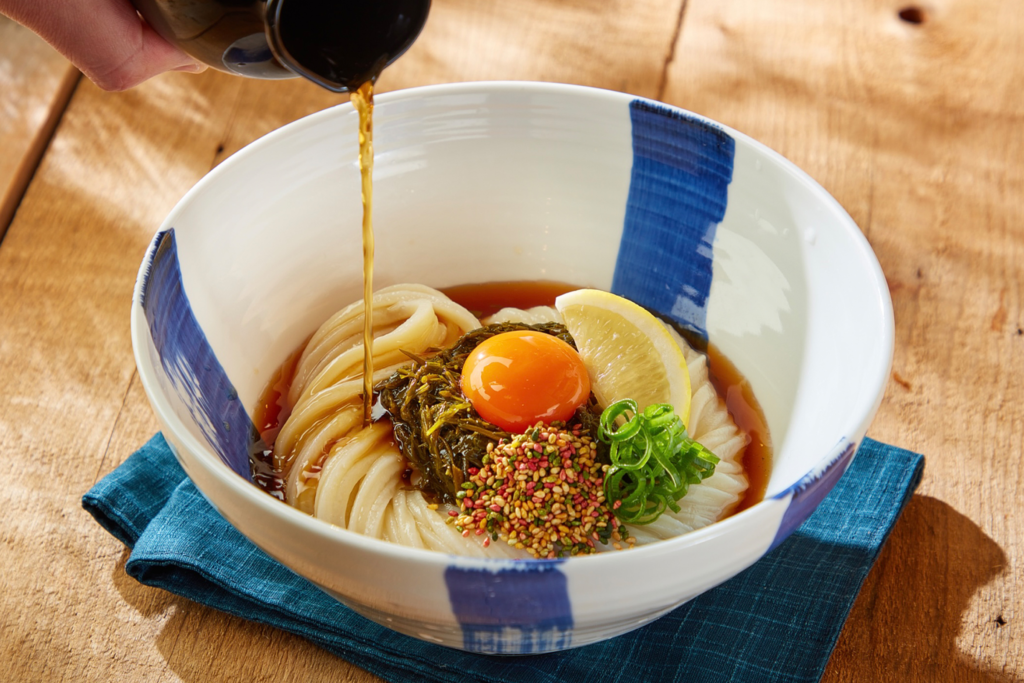
Recommended restaurant: うどん 慎
Fresh udon emphasizes chewiness and elasticity. Often paired with tempura, it highlights contrast in texture.
Price range: ¥1,000–¥2,000.
7. Soba – Refined Buckwheat Aroma
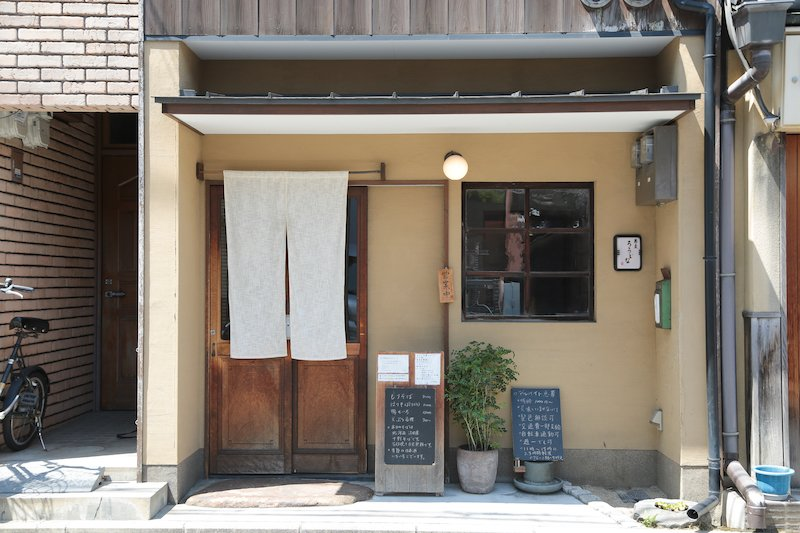
Recommended restaurant: 蕎麦 ろうじな
Soba prioritizes aroma and simplicity. While duck soba remains traditional, creative variations also exist.
Price range: ¥1,500–¥3,000.
8. Yakitori – Charcoal Mastery
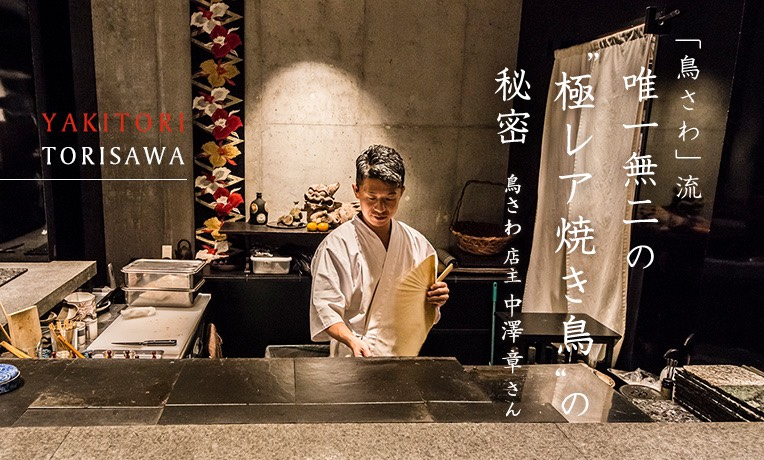
Recommended restaurant: 鳥さわ
Grilled over premium binchotan charcoal, yakitori focuses on precise temperature control.
Rare cuts offer unique textures.
Price range: ¥8,000–¥15,000.
9. Unagi – Smoky Charcoal Glaze
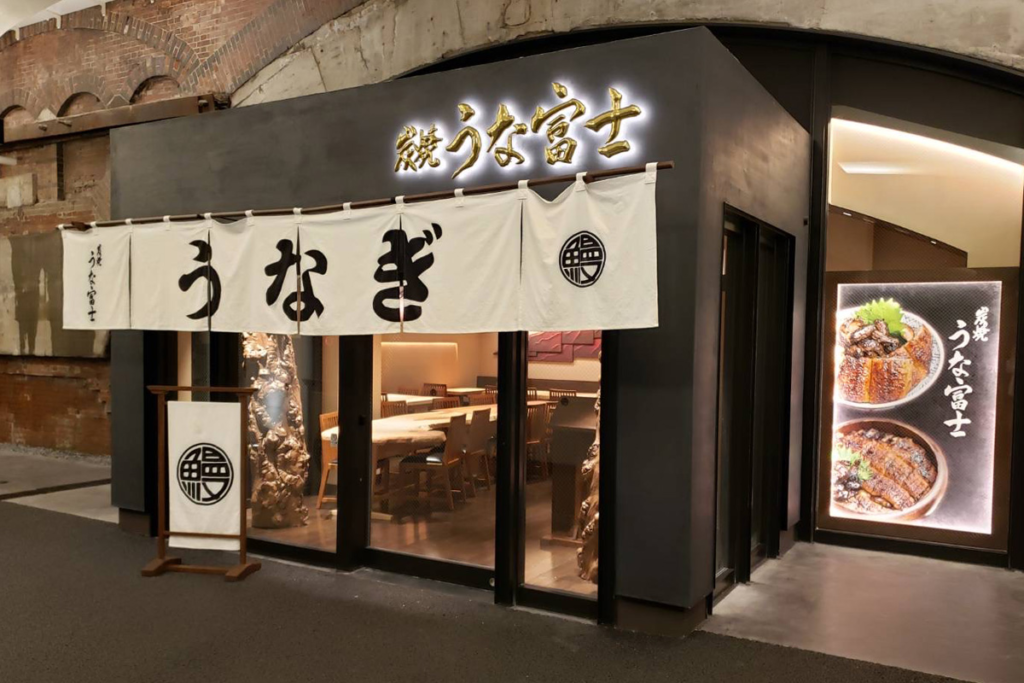
Recommended restaurant: 炭焼 うな富士
Unagi is charcoal-grilled and glazed with sweet soy sauce. Hitsumabushi style offers a layered tasting experience.
Price range: ¥5,000–¥8,000.
10. Teppanyaki – Culinary Theater
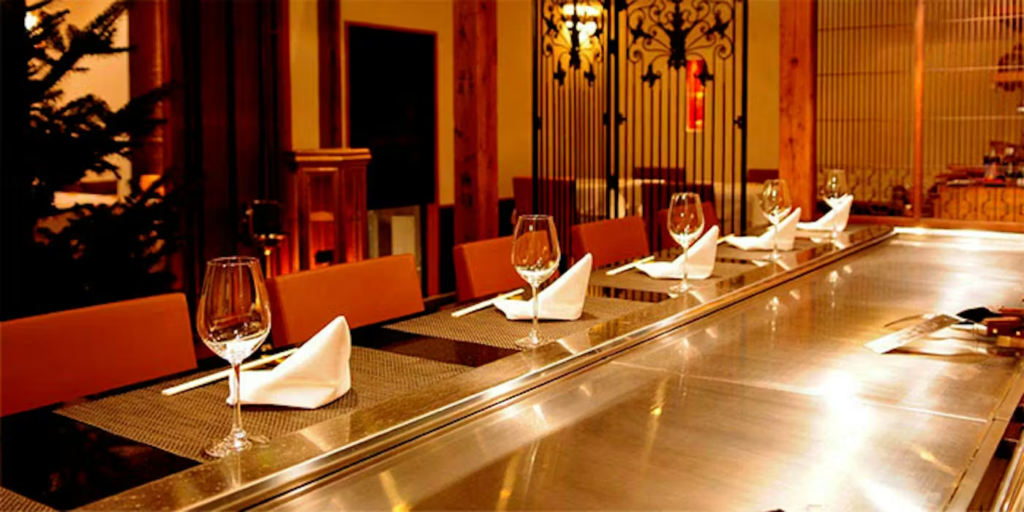
Recommended restaurant: 鉄板焼 嬋
Teppanyaki combines live performance with premium wagyu, often seasoned simply to highlight natural flavor.
Price range: ¥20,000–¥40,000.
11. Okonomiyaki – Osaka Comfort Classic
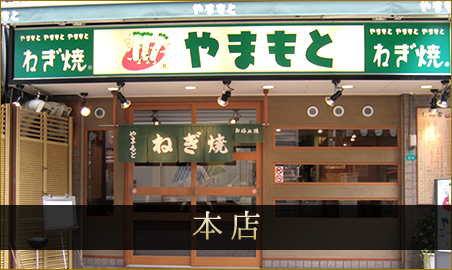
Recommended restaurant: ねぎ焼 やまもと
“Grill what you like.” Negiyaki, heavy with green onions and beef tendon, offers a lighter soy-based variation.
Price range: ¥1,000–¥2,000.
12. Tempura – Precision and Lightness
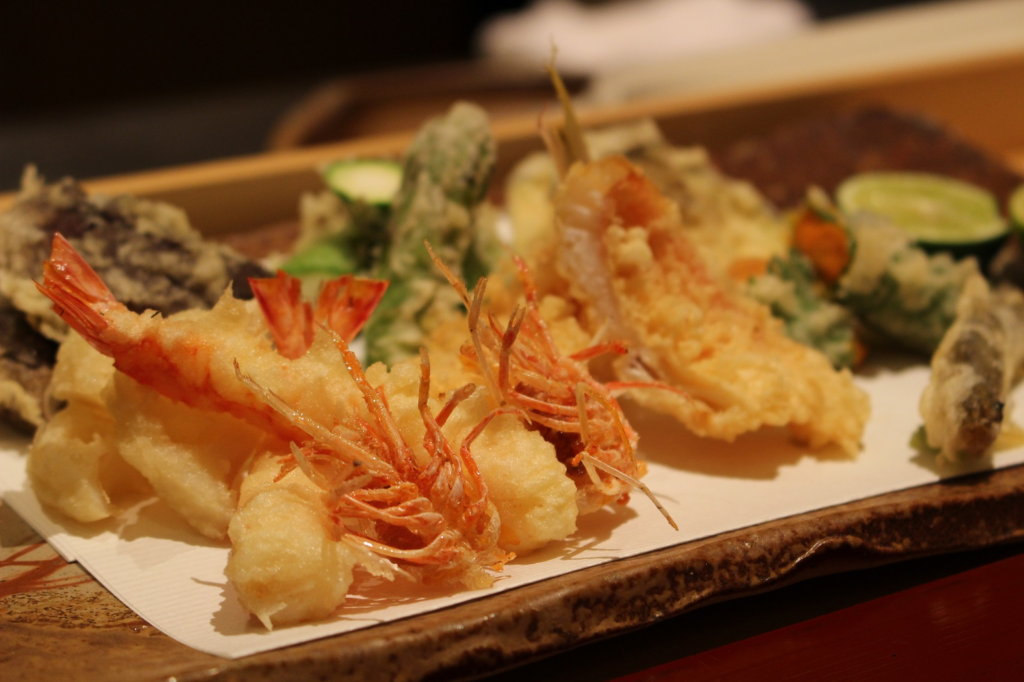
Recommended restaurant: 天ぷら 銀座おのでら
Tempura requires strict oil temperature control. The goal is a delicate shell that seals moisture without heaviness.
Price range: ¥15,000–¥30,000.
Conclusion
Tokyo’s food scene reflects centuries of adaptation, refinement, and technical mastery. From preservation-based origins to modern premium dining, each dish carries cultural depth beyond flavor alone.
Understanding the background enhances the experience. Tokyo is not merely a place to eat well—it is a place to understand Japanese cuisine at its highest level.



A really good blog and me back again.