 Handn blog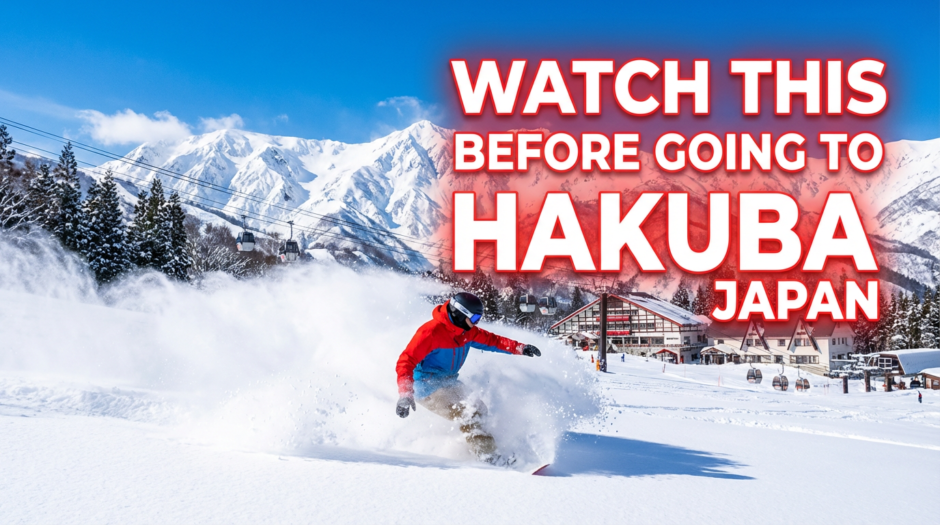
At the northern end of the Japanese Alps lies Hakuba Valley, one of Japan’s premier winter destinations known for its legendary powder snow and world-class ski resorts that hosted the 1998 Winter Olympic Games. The mountains here reach near 3,000-meter heights, and their snow-covered peaks contrast beautifully against the valley below during the winter season.
I have visited Hakuba twice now, once in late January and again in mid-February, and both trips delivered the kind of powder experience that keeps riders coming back year after year. Whether you are planning your first trip to Hakuba or returning for another season, this guide covers everything you need to know about getting there, where to stay, when to visit, and which resorts match your riding style.
Getting to Hakuba from Tokyo
How to Get to Hakuba from Tokyo
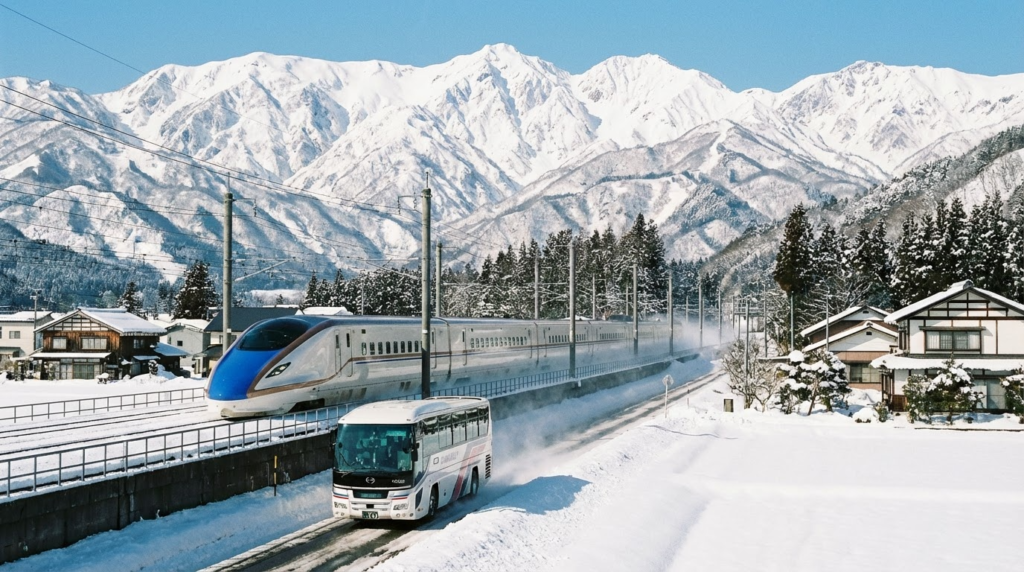
Hakuba Village sits in Nagano Prefecture, approximately five hours from Tokyo by direct transportation. The most convenient airport for winter visitors is Haneda Airport, which offers the shortest travel time to the valley compared to Narita.
The most straightforward option is the direct coach service operated by Nagano Snow Shuttle. The bus departs from Haneda Airport and travels directly to Hakuba with two rest stops along the way. Total journey time is approximately five hours, and you can relax without managing luggage through multiple transfers. The service operates four trips daily during winter season with departures in the morning, afternoon, and evening.
Alternatively, you can take the Shinkansen from Tokyo Station to Nagano Station, then transfer to a local bus that runs to Hakuba. The train portion takes about 90 minutes, and the bus adds another 70 minutes. This combination is slightly faster than the direct coach but requires carrying luggage through train stations and managing transfers.
Car rental provides maximum flexibility for exploring multiple areas within Hakuba Valley. An international driving permit is required, and winter driving experience is strongly recommended given the mountain roads and snow conditions.
Understanding Hakuba’s Winter Season
Hakuba Snow Season Explained
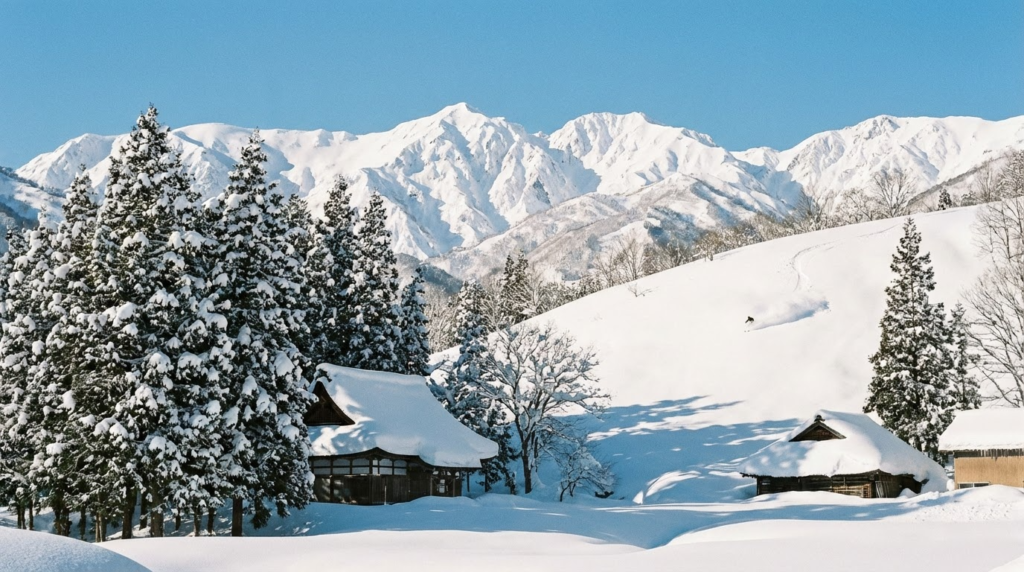
Hakuba’s ski season typically extends from early December through early April, though the quality and quantity of snow varies significantly throughout this period.
The heaviest and most consistent snowfall arrives in January. This is peak powder season when the legendary Japanese snow falls frequently and accumulates deeply. Temperatures during January can drop well below freezing, particularly at higher elevations, but the trade-off is pristine powder conditions that justify the cold.
February maintains excellent snow quality while offering slightly warmer temperatures than January. The combination of good snow and more comfortable weather makes February popular among international visitors. Mid-February also features the Hakuba Fire Festival at Happo-one, a traditional event with fireworks displays on the mountain and performances by ski instructors.
Peak visitor periods coincide with Japanese holidays and school vacations. New Year’s holidays from late December through early January see the highest domestic crowds. Chinese New Year in late January or early February brings another surge in visitors. During these peak periods, accommodation prices increase and lift lines lengthen noticeably.
Where to Stay: Hakuba’s Accommodation Areas
Recommended Hotels in Hakuba
Hakuba Valley contains three primary accommodation zones, each offering a distinct experience and different levels of access to slopes and amenities.
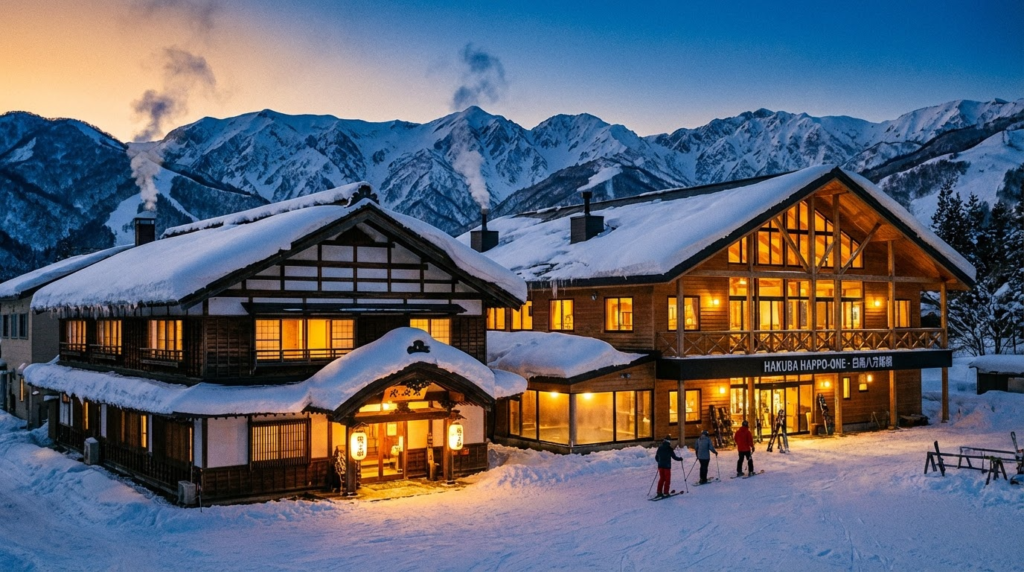
The Happo area sits at the base of Happo-one, Hakuba’s largest ski resort. Accommodations here provide the most convenient slope access, with many properties located within walking distance of the gondola station. Staying in Happo means you can walk to the lifts after breakfast and maximize your time on the mountain.
Echoland functions as Hakuba’s social and dining hub. The highest concentration of restaurants, bars, izakayas, and shops cluster within this central village area. The après-ski atmosphere here is vibrant, with international visitors and Japanese guests mingling in the various establishments. The trade-off for Echoland’s social advantages is distance from the slopes, requiring shuttle bus rides to reach the major resorts each morning.
Wadano occupies the space between Happo and Echoland, offering a quieter, more upscale atmosphere. Accommodations here tend toward the luxury end of the spectrum, with ryokans and higher-end hotels featuring onsen facilities and refined dining.
Hotel Hakuba Hifumi in the Happo area delivers exceptional hospitality that stands out even by Japanese standards. Both Japanese and Western breakfast options are available each morning, with the Japanese breakfast particularly exceeding expectations. Resort Inn Seikan offers a family-friendly atmosphere with a tattoo-friendly public bath, positioned just two minutes on foot from Happo Bus Terminal.
Transportation Within Hakuba Valley
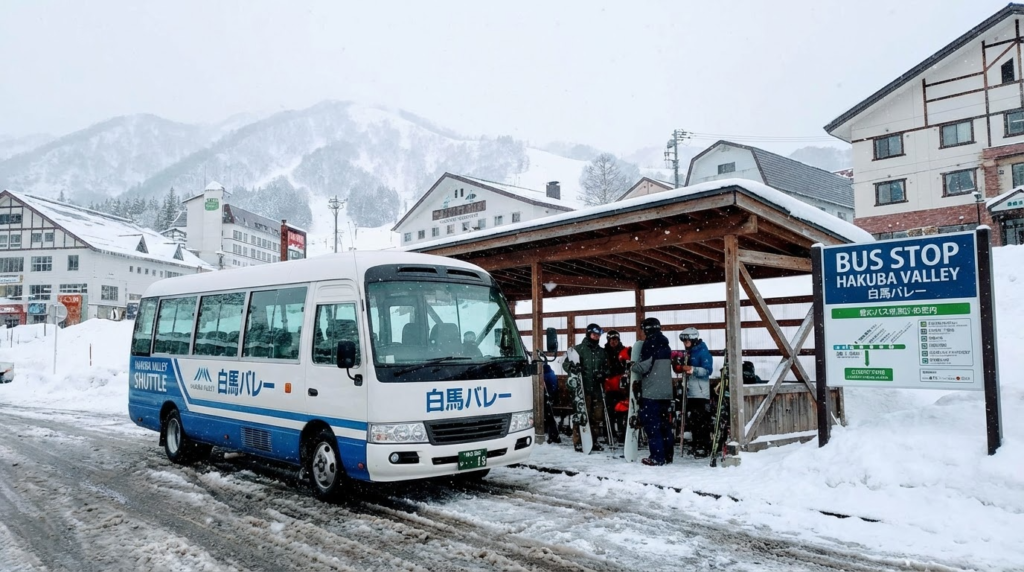
Hakuba Valley Shuttle Bus System
Moving between resorts and accommodations relies primarily on the shuttle bus network that connects the valley’s various ski areas. The primary shuttle system operates two main routes covering all major resorts in the valley. Riders holding a Hakuba Valley Pass can use these shuttles free of charge after claiming their shuttle pass at designated locations. Without the valley pass, each individual ride costs 600 yen.
Individual resorts supplement the valley-wide system with their own free shuttle services. Happo-one operates shuttles covering the Happo area and connecting to Iwatake resort. Goryu and Hakuba47 run direct services to their base facilities.
Choose accommodations that sit within a few minutes of major bus stops if you plan to rely on public transportation. The time and energy savings compound over a week-long trip.
Choosing Your Resort
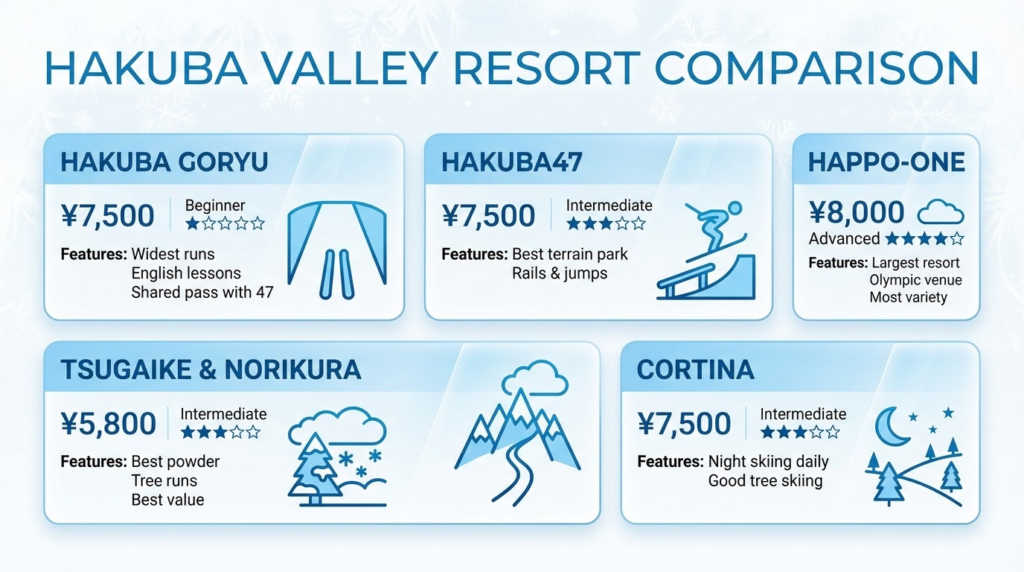
Hakuba Valley comprises multiple distinct ski resorts, each offering different terrain characteristics, difficulty levels, and atmospheres. Understanding each resort’s strengths helps you choose the perfect match for your riding style.
Hakuba Goryu
Goryu features some of the widest and most forgiving terrain in Hakuba Valley, making it the ideal choice for beginners and lower intermediate riders. The spacious runs give you plenty of room to practice without feeling pressured by faster traffic or narrow trails.
One of Goryu’s standout features is its snowboard school, which offers instruction in English. This addresses one of the most significant challenges international visitors face when trying to improve their technique. The resort also shares a lift ticket with Hakuba47, giving you access to two distinct mountains on a single pass.
Lift Ticket: 7,500 yen per day (includes Hakuba47 access)
Best For: Beginners, English lessons, wide groomed runs
Hakuba47
Just next door to Goryu, Hakuba47 specializes in freestyle terrain and park features. The resort maintains one of the best terrain parks in the valley, with features designed for all skill levels. Whether you are just starting with beginner boxes and small jumps, or ready to tackle advanced rails and larger kickers, Hakuba47 has something for you.
Lift Ticket: 7,500 yen per day (includes Goryu access)
Best For: Freestyle riders, park enthusiasts
Hakuba Happo-one
Happo-one holds the distinction of being Hakuba’s largest ski resort. This prestigious mountain hosted alpine skiing events during the 1998 Winter Olympics, and the infrastructure reflects that Olympic heritage. The resort covers extensive terrain across multiple peaks, providing diverse options for all ability levels.
While Happo-one offers the most variety, it also comes with the highest lift ticket prices in the valley at 8,000 yen per day. The premium reflects its size, facilities, and convenient location right in the heart of the Happo accommodation area.
Lift Ticket: 8,000 yen per day
Best For: Intermediate to advanced riders, variety seekers
Tsugaike and Norikura
These two resorts share a lift pass and cater specifically to powder enthusiasts seeking deeper snow and tree runs. When fresh snow arrives, Tsugaike and Norikura deliver the classic Japanese powder experience that riders travel internationally to find. The terrain here is less groomed and more natural, which means better conditions after a snowfall.
The shared pass also represents the best value in the valley at just 5,800 yen per day, nearly 30 percent less expensive than Happo-one.
Lift Ticket: 5,800 yen per day (includes both resorts)
Best For: Powder seekers, tree run enthusiasts, budget-conscious riders
Hakuba Cortina
Cortina distinguishes itself with the most consistent night skiing operation in Hakuba Valley. While most resorts either skip night skiing entirely or only open on select evenings, Cortina maintains night operations almost every night throughout the season. This makes it perfect for maximizing your time on the mountain or experiencing the unique atmosphere of riding under the lights.
Lift Ticket: 7,500 yen per day (separate night pass required)
Best For: Night skiing enthusiasts, extended riding time
Essential Preparations and Recovery
Booking and Advance Planning
Book accommodation three to six months ahead for January and February visits. Reserve direct coach tickets from the airport simultaneously since these can also reach capacity during peak travel windows. Download offline maps, resort information, and shuttle bus schedules to your phone.
Mountain weather demands proper layering systems. Moisture-wicking base layers manage perspiration, insulating mid-layers provide warmth, and waterproof outer shells block wind and snow. Sunscreen and lip balm are essential despite cold temperatures. High altitude intensifies UV exposure, and snow reflects additional radiation from below.
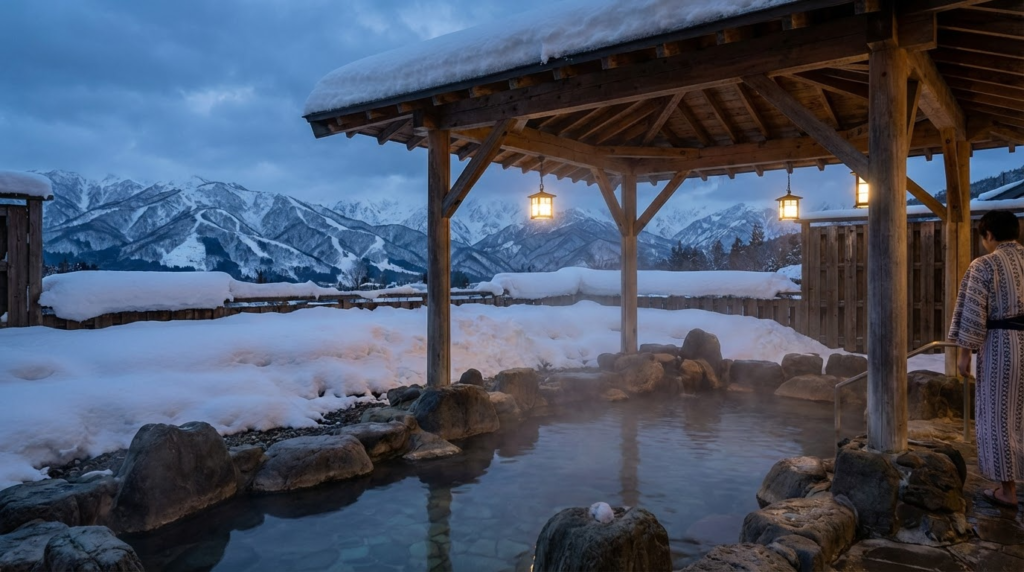
Japanese hot spring baths provide therapeutic benefits for tired muscles while offering deep relaxation after a full day on the mountain. Many Hakuba accommodations include on-site bathing facilities, and public onsen are scattered throughout the valley. Hakuba Happo Onsen, located across from Happo Bus Terminal, features alkaline waters known for beautifying properties with opening hours from 10:00 to 21:00.
Echoland concentrates the widest restaurant variety, spanning traditional Japanese cuisine through Western options. Japanese convenience stores, primarily 7-Eleven and Lawson, exceed Western visitor expectations for food quality and variety with reliable options available any time of day.
Your Hakuba Adventure
Hakuba delivers one of the most complete winter resort experiences available anywhere.
The combination of world-class powder, diverse terrain across multiple resorts, excellent infrastructure, and welcoming atmosphere creates something genuinely special.
Proper planning transforms a good trip into an exceptional one. Hakuba is ready for you.