 Handn blog
Japan’s major cities leave a strong impression, but the country’s real depth is often found beyond the usual tourist routes.
For travellers visiting Japan for the second time, quieter towns and lesser-known regions offer more personal and immersive experiences.
This article introduces 10 hidden places in Japan that reveal a deeper side of the country in 2026.
目次
- ① Visit the Historic Town of Kurashiki
- ② Explore the Art Island of Naoshima
- ③ Wander Through Takayama’s Old Town
- ④ Soak in the Quiet Hot Springs of Kurokawa Onsen
- ⑤ Walk the Historic Nakasendo Trail
- ⑥ Discover the Canal Town of Otaru
- ⑦ Explore the Shrines and Nature of Nikko
- ⑧ Visit the Waterfront Village of Ine
- ⑨ Cycle Around Taketomi Island
- ⑩ Visit Hidden Tea Fields in Shizuoka
- Conclusion: Travel Beyond the Familiar
① Visit the Historic Town of Kurashiki

Kurashiki’s historic area is defined by white-walled warehouses, stone bridges, and calm waterways.
The town feels compact and relaxed, making it easy to explore on foot.
Small museums, cafés, and traditional shops are scattered throughout the area, allowing visitors to enjoy architecture and local culture without the crowds found in larger cities.
② Explore the Art Island of Naoshima
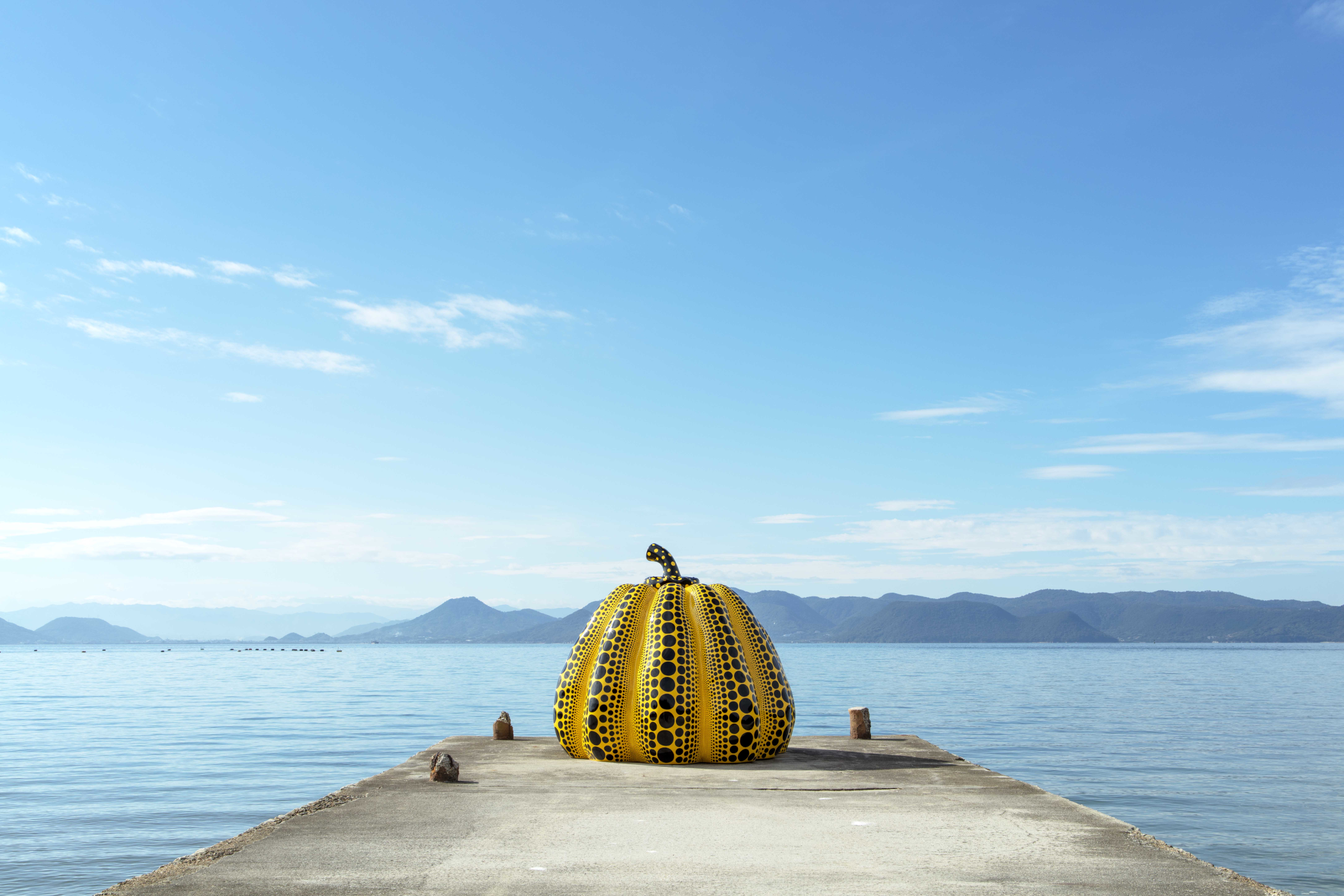
Naoshima is internationally known for its modern art museums and outdoor installations.
Art, architecture, and the coastal landscape are designed to work together, creating an experience that feels both creative and calming.
The island’s quiet pace makes it ideal for travellers looking to slow down.
③ Wander Through Takayama’s Old Town
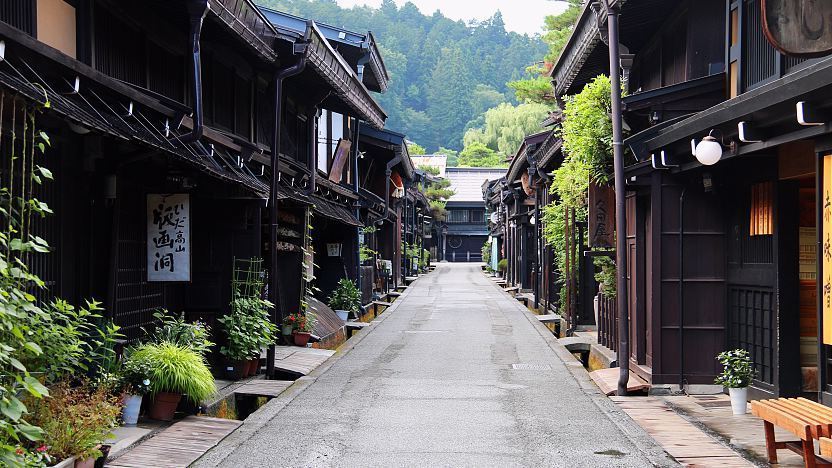
Takayama preserves the atmosphere of a historic mountain town with wooden buildings and narrow streets.
Morning markets, local crafts, and seasonal festivals reflect regional traditions that remain part of daily life.
It is a rewarding stop for travellers interested in history and craftsmanship.
④ Soak in the Quiet Hot Springs of Kurokawa Onsen

Kurokawa Onsen is known for its calm setting and unified village design. Traditional inns, forest paths, and outdoor baths create an atmosphere focused on rest and reflection.
It is well suited for travellers seeking a slower, more restorative experience.
⑤ Walk the Historic Nakasendo Trail

The Nakasendo Trail connected Kyoto and Edo during the Edo period.
Today, preserved sections allow travellers to walk between post towns through forests and rural landscapes. The route offers insight into historical travel and village life at a gentle pace.
⑥ Discover the Canal Town of Otaru
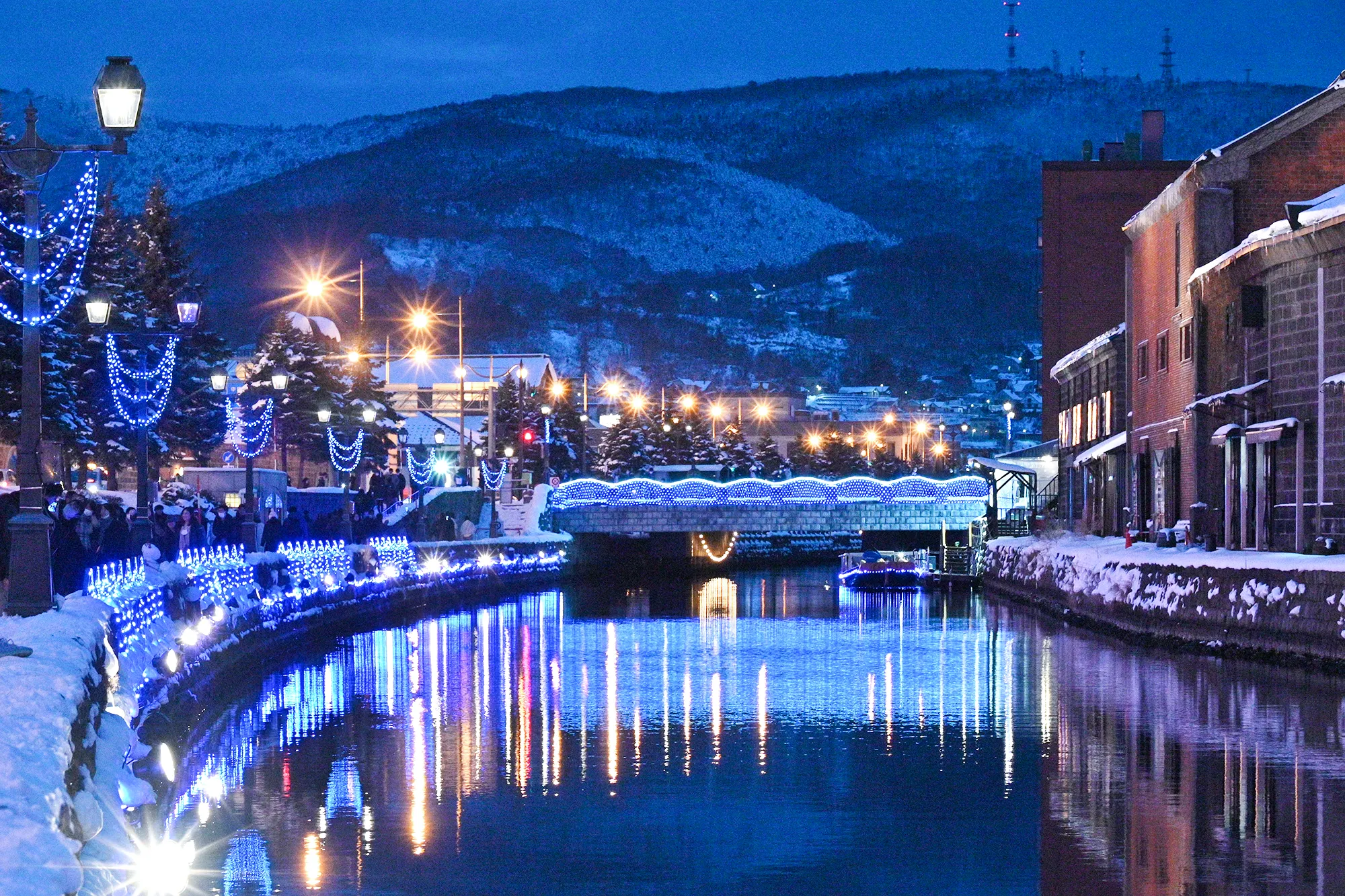
Otaru’s canal and stone warehouses reflect its history as a trading port.
The town is known for glass crafts, seafood, and scenic walks along the water. Evening visits are especially atmospheric, with lights reflecting on the canal.
⑦ Explore the Shrines and Nature of Nikko

Nikko is home to richly decorated shrines surrounded by nature. Beyond the main shrine complex, the area offers waterfalls, lakes, and hiking routes.
This combination of culture and scenery makes Nikko ideal for travellers who enjoy balanced itineraries.
⑧ Visit the Waterfront Village of Ine
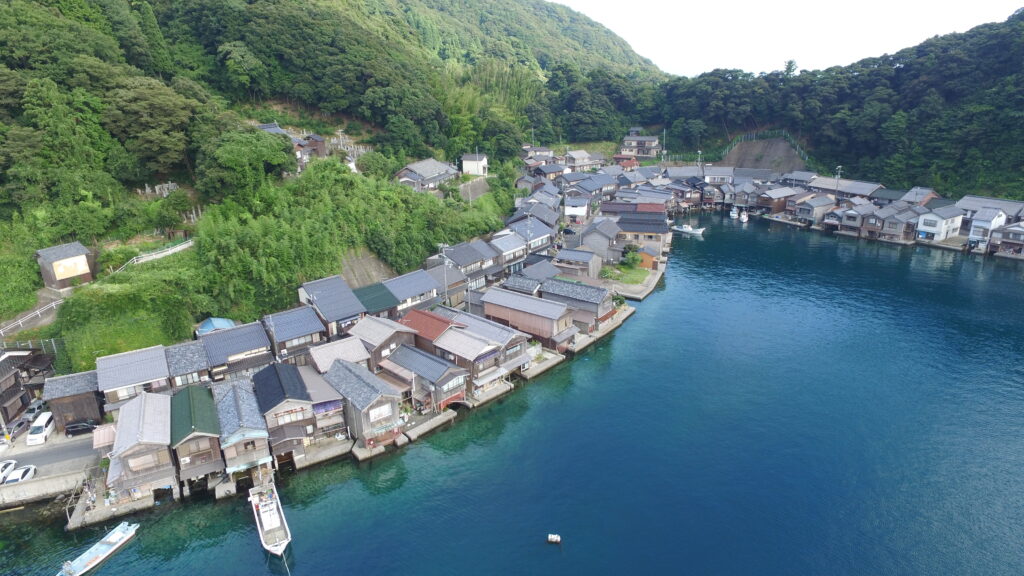
Ine is famous for its funaya, traditional houses with boat garages facing the bay. The village offers a rare glimpse into coastal life shaped by fishing and the sea.
Boat tours provide a closer look at the architecture and daily routines of residents.
⑨ Cycle Around Taketomi Island
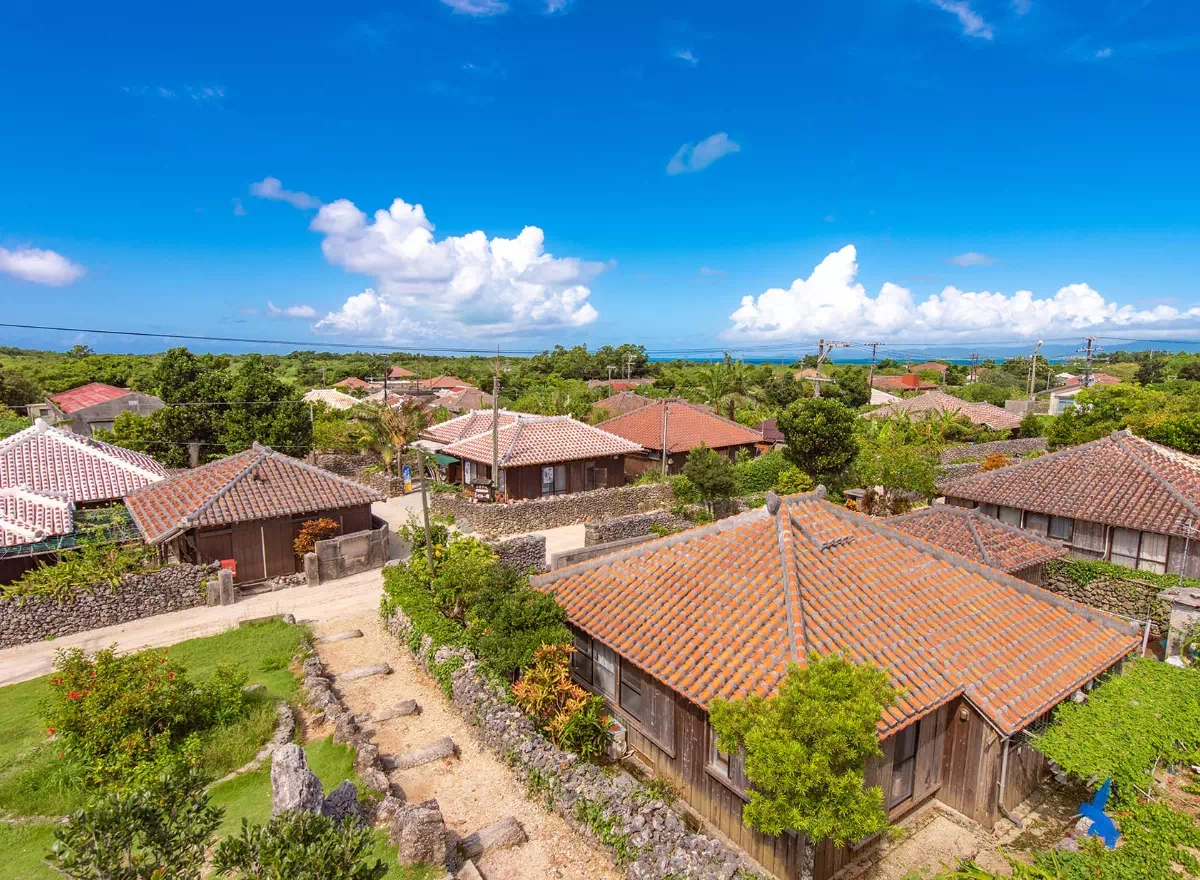
Taketomi Island features sandy streets, traditional houses, and minimal traffic.
Bicycles are the main form of transport, allowing visitors to explore quietly. The island’s relaxed rhythm makes it ideal for travellers who want to disconnect.
⑩ Visit Hidden Tea Fields in Shizuoka
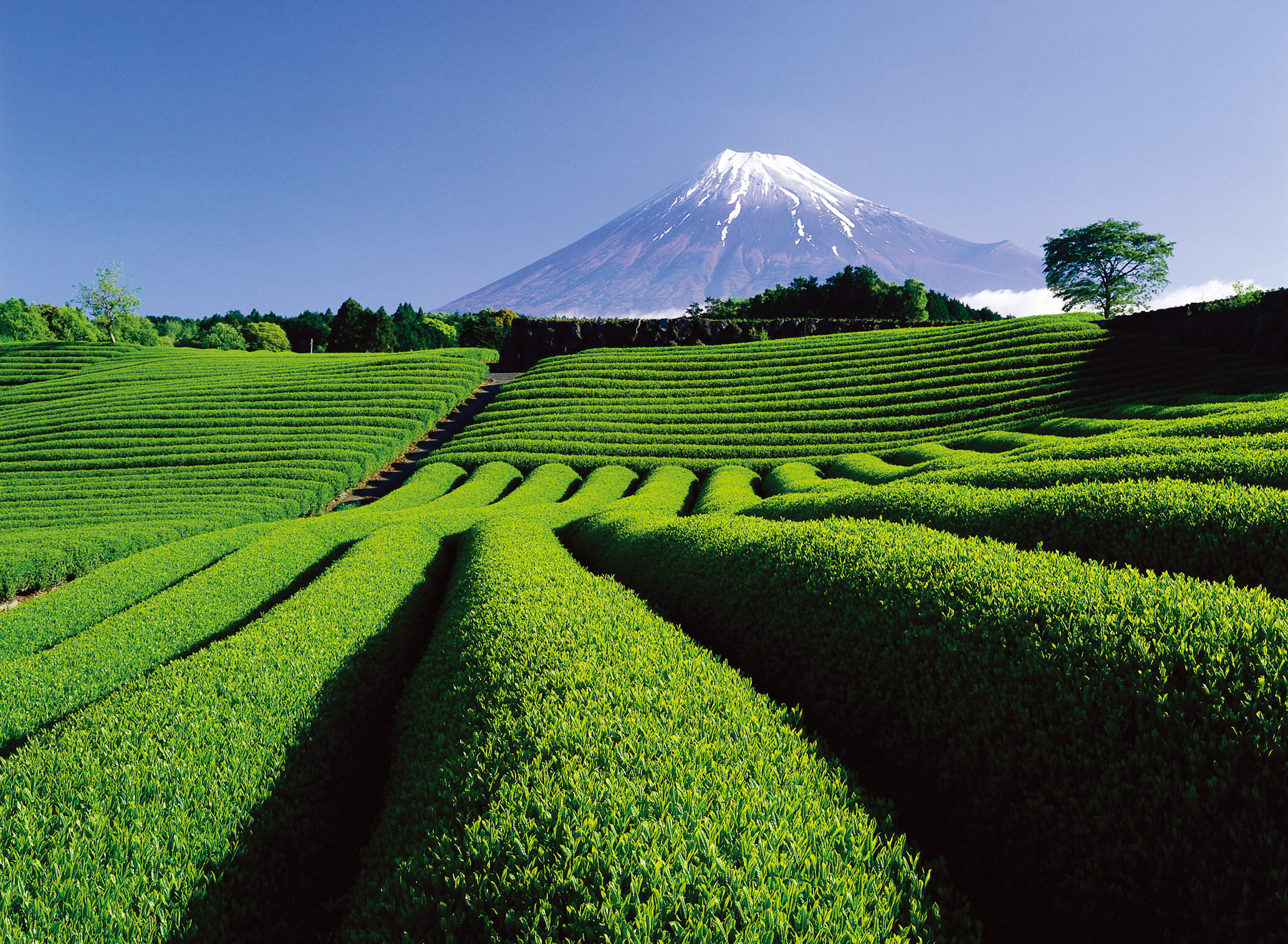
Shizuoka’s rolling tea fields highlight an essential part of Japanese food culture. Visitors can learn about tea cultivation, enjoy rural scenery, and taste locally produced tea.
These areas are often overlooked, making them especially appealing for second-time travellers.
Conclusion: Travel Beyond the Familiar
Japan’s hidden destinations offer depth, authenticity, and stronger connections to local life.
For travellers returning to Japan, exploring lesser-known regions provides a richer and more personal experience than revisiting only famous landmarks.