 Handn blog
Japan is one of the safest and most well-organized countries to travel in.
However, many visitors unknowingly make small mistakes that can cause confusion or discomfort.
This guide explains common travel mistakes in Japan and how to avoid them, helping you enjoy a smoother and more respectful trip.
1. Not Understanding Basic Public Etiquette
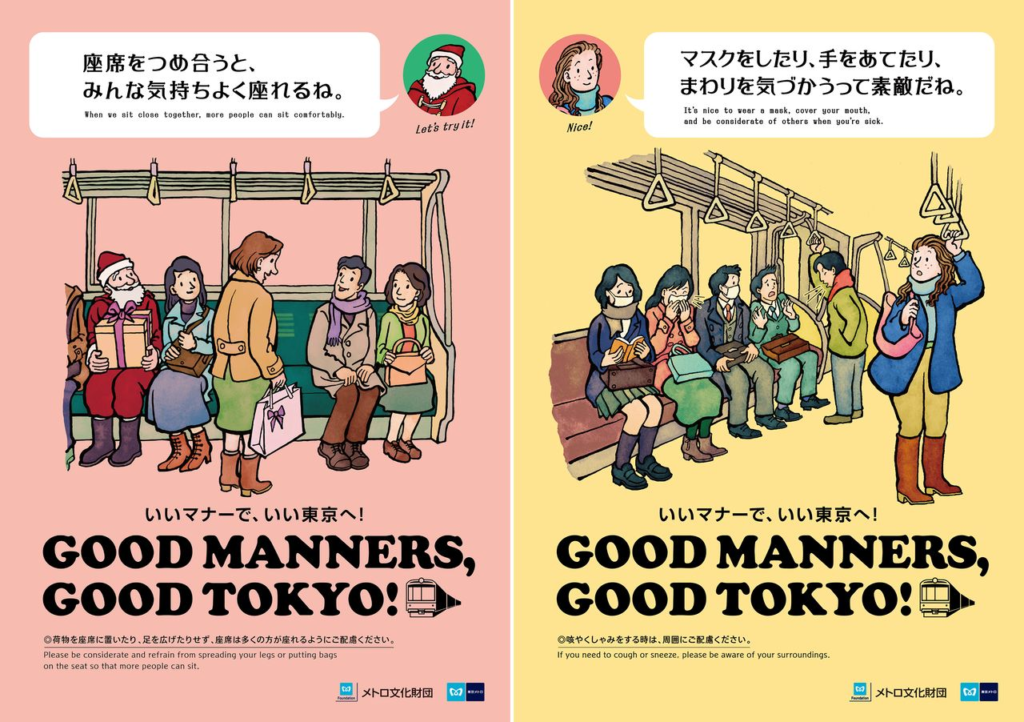
Speaking loudly on trains, blocking walkways, or ignoring queues can quickly draw attention.
Watching how locals behave and adjusting your actions helps you blend in naturally.
2. Assuming English Is Always Available

While English signage has increased in major cities and tourist areas, it is still far from universal.
Many local restaurants, neighborhood shops, clinics, and transportation services operate primarily in Japanese, with menus, instructions, and announcements written only in Japanese.
This language gap can lead to confusion when ordering food, asking for directions, or understanding rules and procedures. Even simple interactions may take longer without preparation.
Using translation apps, offline dictionaries, or camera-based translation tools can greatly reduce stress. Learning a few basic phrases—such as greetings, thank you, or simple questions—also makes communication smoother and is often appreciated by locals.
Preparing in advance does not mean becoming fluent. It simply helps you navigate daily situations more confidently and enjoy your trip without unnecessary frustration.
3.Ignoring Cash-Based Payments
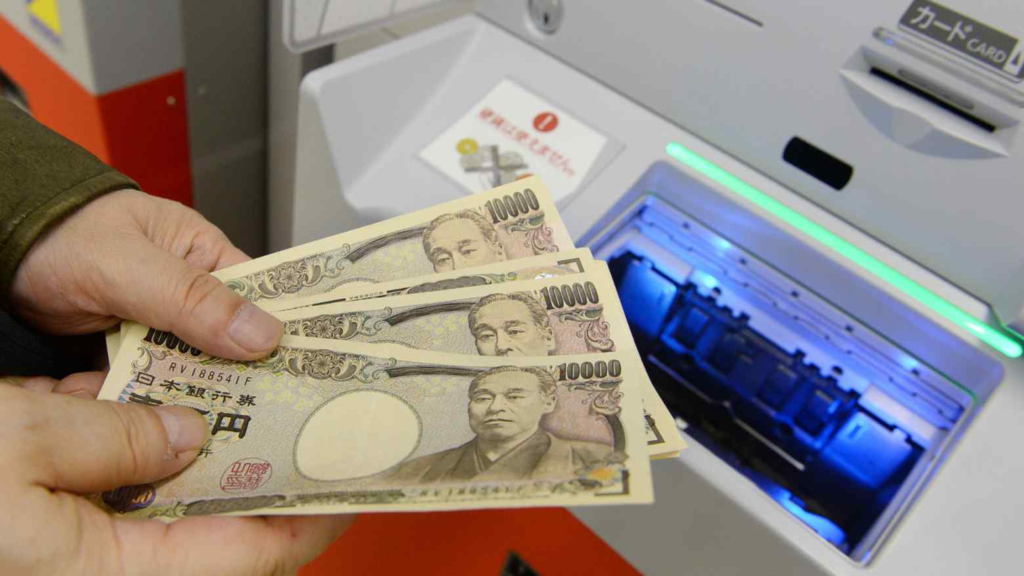
Japan is often seen as a high-tech country, but cash is still widely used in daily life.
Small restaurants, local cafés, temples, shrines, street food stalls, and rural shops often accept cash only, even in major cities.
Relying solely on credit cards can limit where you can eat, shop, or enter. ATMs that accept foreign cards are commonly found at convenience stores and post offices, making it easy to withdraw yen when needed.
Carrying some cash at all times helps you travel smoothly and avoid awkward situations at checkout.
4.Standing on the Wrong Side of Escalators
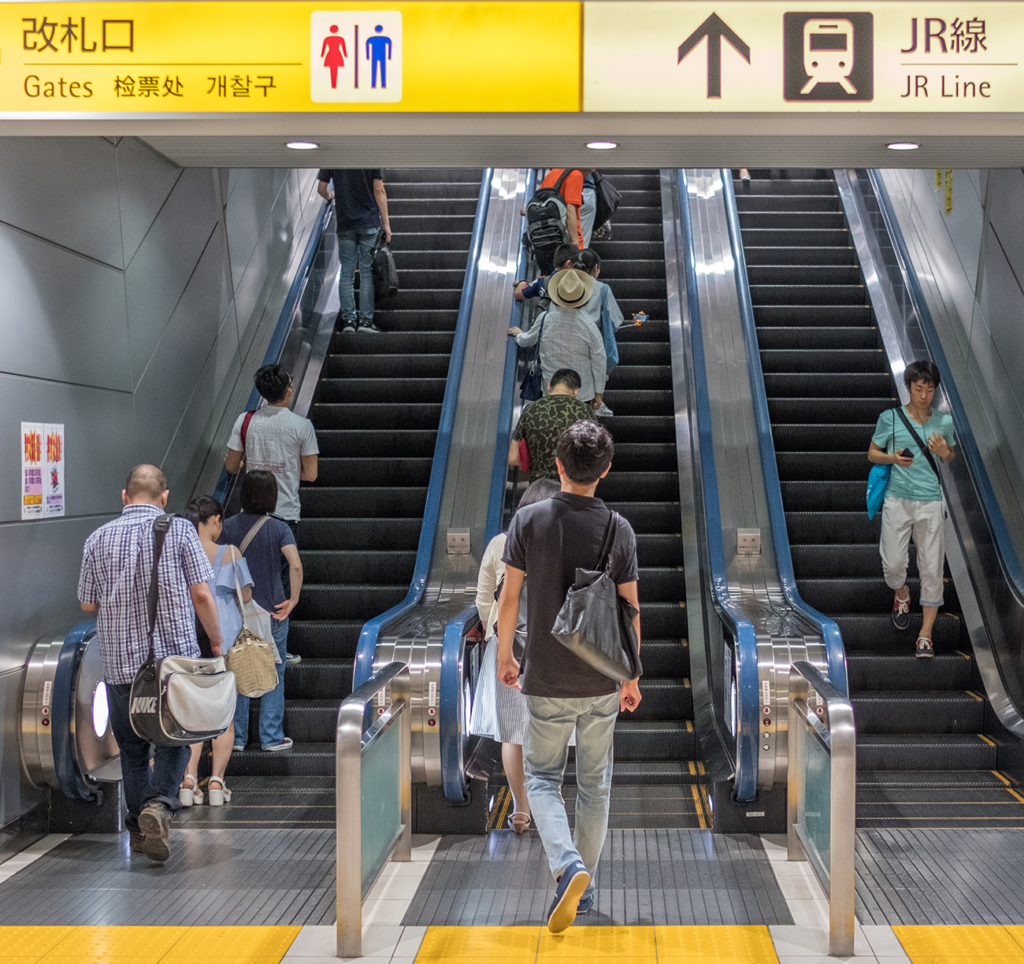
Escalator etiquette in Japan is surprisingly important, especially during busy hours.
In many areas, people stand on one side of the escalator to allow others to walk past. The side you stand on can vary by region, and visitors often get confused.
Blocking the walking lane slows down commuters and can cause visible frustration.
The best approach is simple: watch what locals are doing before stepping on and follow their lead. This small adjustment makes moving through stations much easier.
5.Wearing Shoes in Indoor Spaces
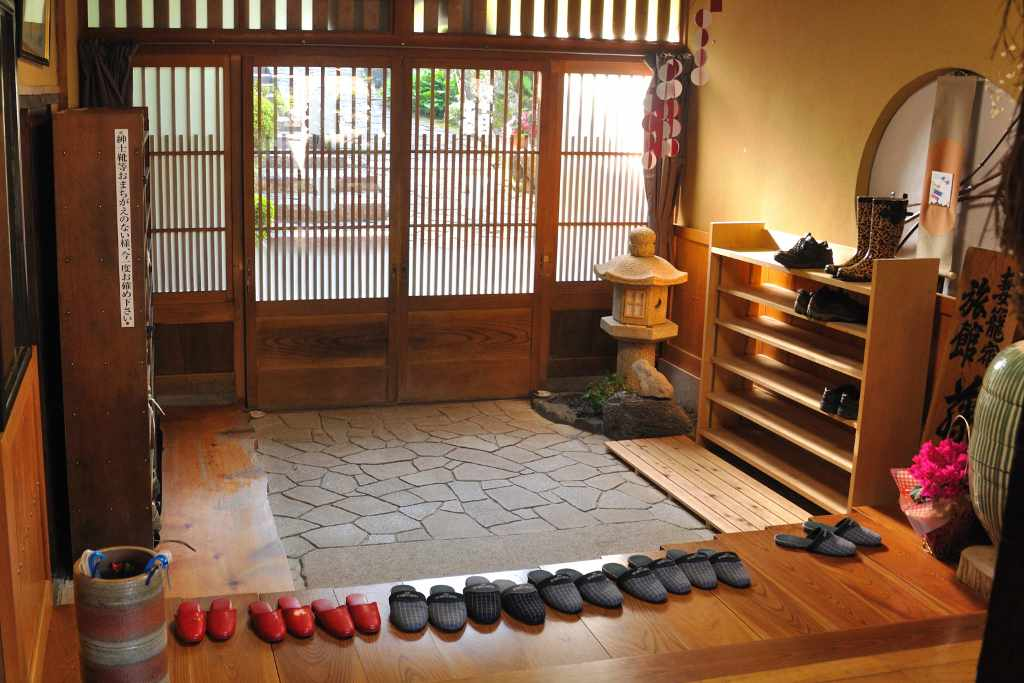
Many indoor spaces require shoes to be removed. Paying attention to entryways and signs prevents awkward situations.
In Japan, removing shoes indoors is a common and deeply ingrained custom.
Homes, traditional accommodations, some restaurants, temples, and even fitting rooms may require shoes to be taken off.
Entryways often have a visible change in flooring or a step up, signaling where shoes should be removed. Slippers are usually provided, and there may be separate slippers specifically for restrooms.
Paying attention to these cues helps you avoid embarrassment and shows respect for local customs.
6.Not Sorting Trash Properly
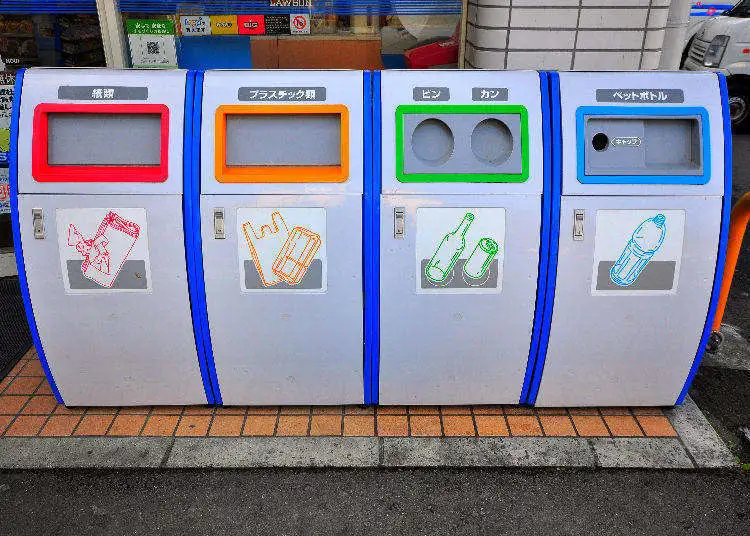
Japan has limited public trash bins, which often surprises visitors.
Despite this, streets remain remarkably clean because people take responsibility for their own waste.
Trash separation rules vary by location, and incorrect disposal can cause confusion. Many locals simply carry their trash until they find the correct bin at home, a station, or a convenience store.
Carrying a small bag for trash and sorting it properly when possible is considered normal behavior and helps you blend in with local routines.
Conclusion: Travel Japan with Awareness and Respect
Most travel mistakes in Japan are minor and easily avoided.
By observing local customs and adjusting small behaviors, you can travel comfortably and confidently.
Understanding these points will help ensure your Japan trip in 2026 is smooth, respectful, and deeply enjoyable.