 Handn blog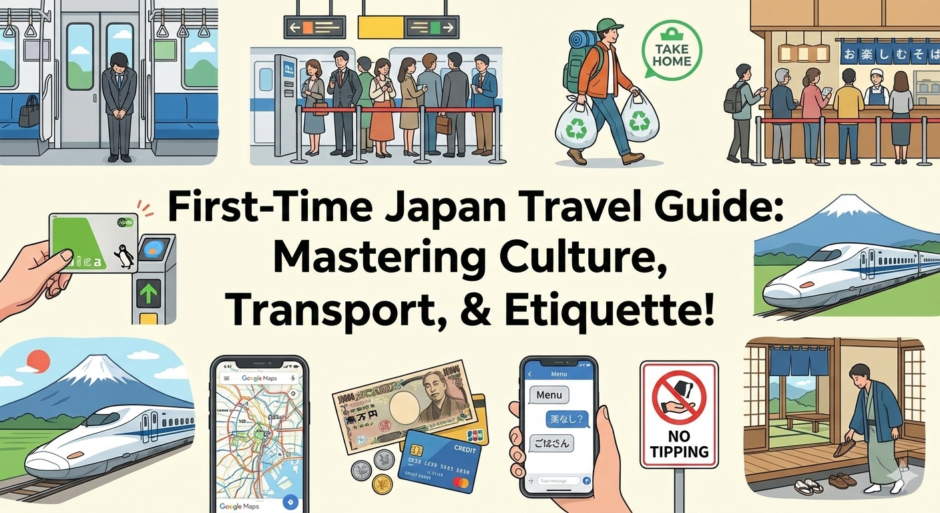
Japan is widely recognized as one of the safest, cleanest, and most efficient countries in the world. Its transportation system is punctual, cities are well organized, and service quality is consistently high.
However, Japan also operates within a unique cultural framework. Many unspoken social rules and etiquette expectations can surprise first-time visitors. Without preparation, small misunderstandings can quickly turn into stress.
This guide explains the most important things first-time travelers should know before visiting Japan.
Silence and Public Behavior Matter
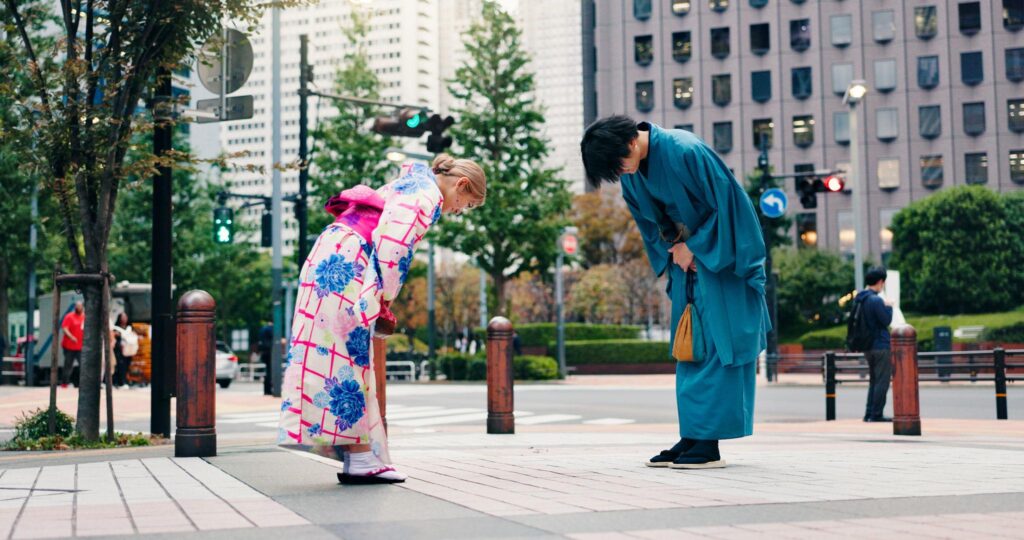
In Japan, quietness in public spaces is highly valued. Speaking loudly on trains, making phone calls in public transportation, or causing disruption is considered impolite.
In major cities such as Tokyo, you will notice how calm and orderly public transportation feels even during rush hour.
Respecting Lines and Order
Queue culture is deeply embedded in Japanese society. Whether at train platforms, escalators, restaurants, or convenience stores, people naturally form lines. Skipping a queue or ignoring order will draw negative attention.
Limited Public Trash Bins
Public trash cans are surprisingly rare. Travelers are expected to carry their trash until they find a proper disposal location, often back at their hotel or inside a convenience store.
IC Cards Are Essential
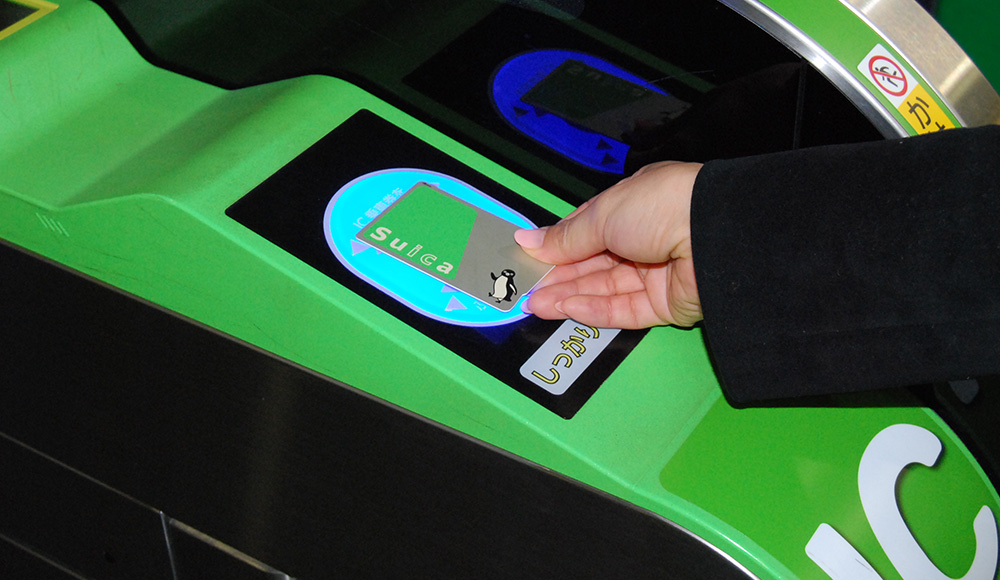
Transportation IC cards such as Suica or Pasmo make travel significantly easier. These rechargeable cards can be used for trains, buses, convenience stores, vending machines, and even some restaurants.
Using an IC card eliminates the need to calculate fares for every ride.
Train Stations Are Large and Complex
Major stations, especially in Tokyo, can be extremely large and complicated. Transfers may require significant walking time. Using Google Maps or similar navigation tools is strongly recommended.
Shinkansen (Bullet Train) Tips
When using Japan’s high-speed rail system, it is important to understand the difference between reserved and non-reserved seats. During peak travel seasons, reserved seats sell out quickly. Booking in advance is advisable.
Japan Is Still Partially Cash-Based
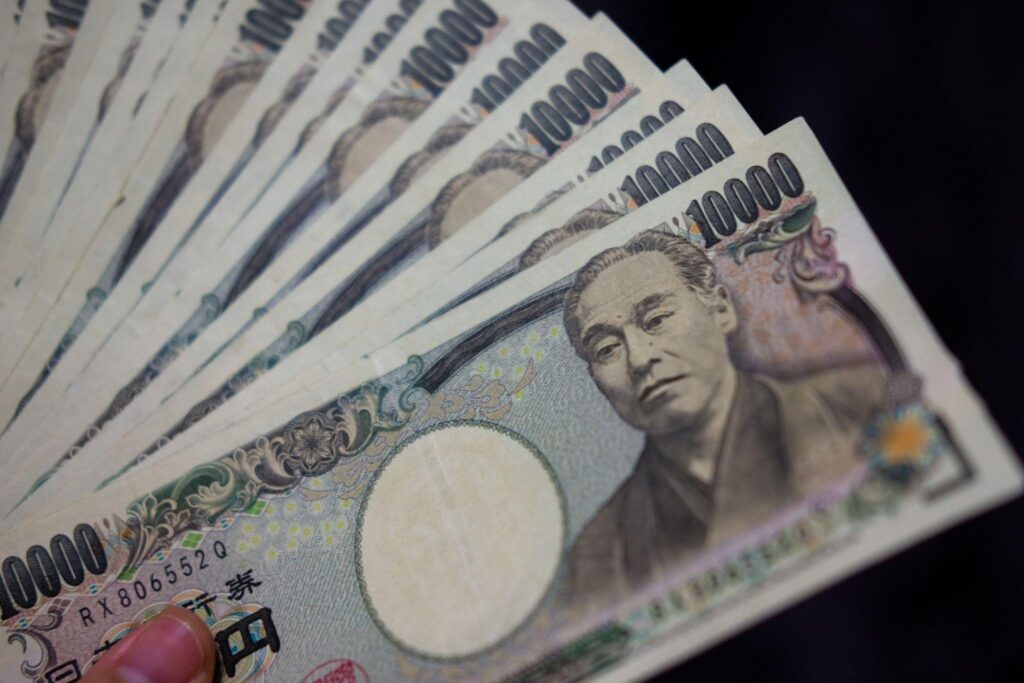
While credit card acceptance has improved in urban areas, many smaller establishments still prefer cash. Travelers should carry Japanese yen, particularly when visiting:
Small local restaurants
Shrines and temples
Rural areas
Traditional markets
The Importance of Coins
Coins are frequently used for vending machines, lockers, buses, and small purchases. Keeping 1,000 yen bills and coins on hand is practical.
English Is Available, But Not Everywhere
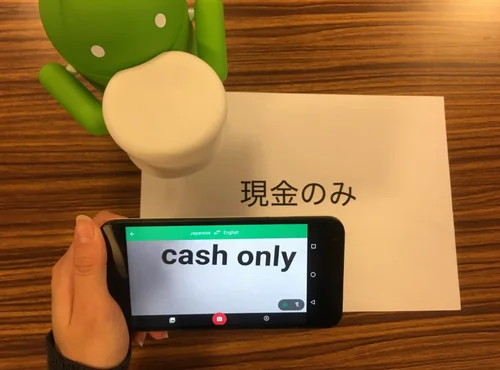
Major tourist areas often provide English signage. However, outside big cities, Japanese-only menus and signs are common.
Translation Apps Are Extremely Helpful
Apps such as Google Translate, especially the camera translation feature, are invaluable when reading menus or understanding instructions.
Reliable internet access via eSIM or pocket Wi-Fi significantly improves the travel experience.
Here are typical errors visitors make
・Talking loudly on public transportation
・Leaving trash behind
・Ignoring queues
・Wearing shoes indoors where removal is required
・Attempting to tip in restaurants
Tipping is not part of Japanese culture. Service charges are included in the price, and leaving extra money may cause confusion.
Conclusion
A successful first trip to Japan depends on four key elements:
・Cultural awareness
・Transportation planning
・Payment preparation
・Language readiness
Japan is an exceptionally welcoming and safe destination. With basic preparation and respect for local customs, travelers can enjoy a smooth, enriching, and memorable experience.
If you are planning your first trip to Japan, use this guide as a foundation to avoid common mistakes and maximize your travel experience.

A really good blog and me back again.