 Handn blog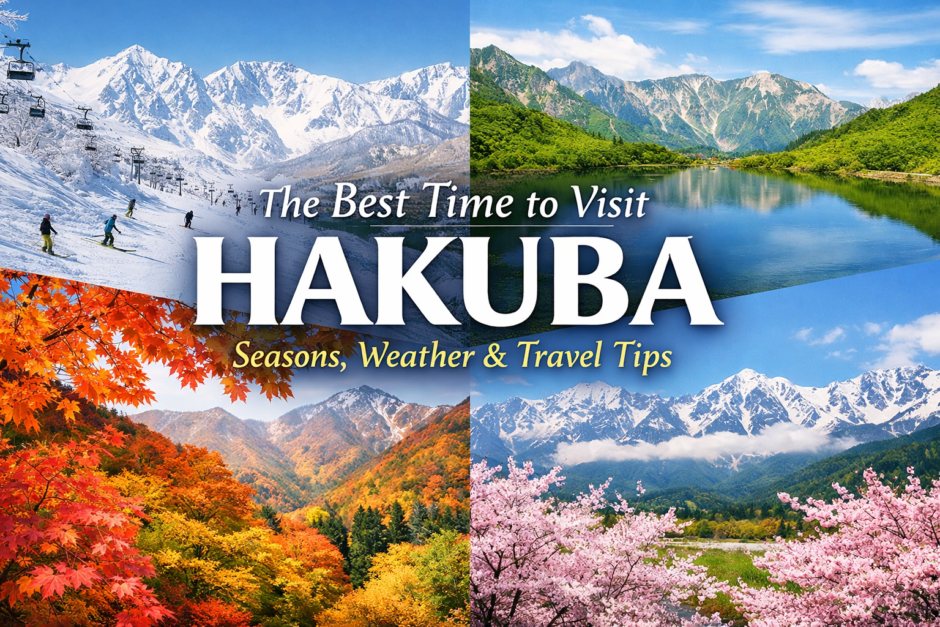
Hakuba Village is a year-round destination located at the base of the Northern Japanese Alps. Known internationally for skiing and snowboarding, Hakuba also offers cool summers, colorful autumn foliage, and a relaxed mountain lifestyle that attracts visitors beyond the winter season.
For many travelers, the most important question is simple: when is the best time to visit Hakuba?
The answer depends on your purpose. Weather, snowfall, road conditions, and seasonal activities change significantly throughout the year. This guide breaks down Hakuba’s seasons clearly, so you can choose the best timing for your trip with confidence.
Quick Answer: Best Time to Visit Hakuba
The best time to visit Hakuba depends on what you want to experience.
For skiing and snowboarding, January to February offers the best snow conditions.
For autumn foliage and mild weather, October is ideal.
For comfortable sightseeing and hiking, September and late April to June are good options.
For those who prefer fewer crowds and cooler temperatures, early summer is also attractive.
Below is a detailed seasonal breakdown to help you decide.
Spring in Hakuba (April to June)
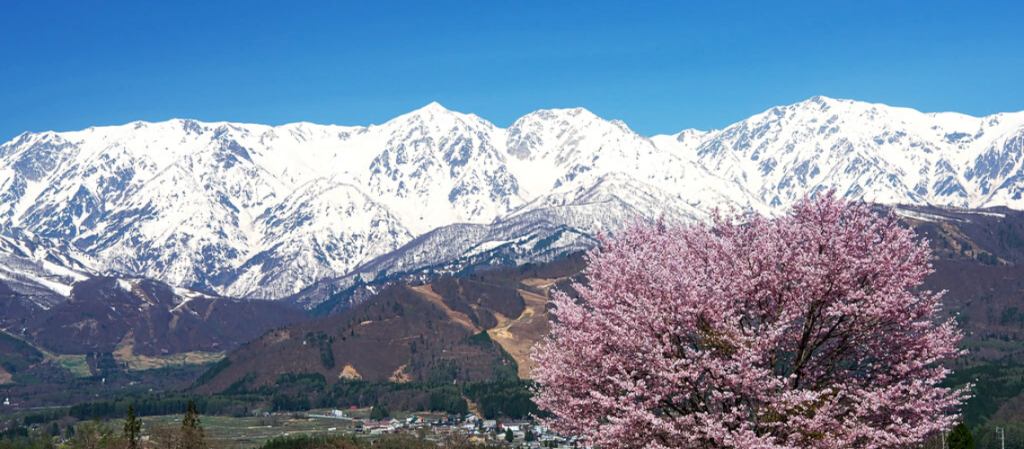
Spring in Hakuba begins later than in major cities due to its elevation. In April, snow has mostly disappeared from village areas, although mountain slopes and higher elevations may still hold snow.
April is a transition period. The town feels calm, roads are generally clear, and temperatures gradually rise. It is a good time for quiet travel, but skiing is usually limited to high-altitude areas.
May and June bring fresh greenery, clear mountain views, and comfortable temperatures. This is an excellent season for hiking, cycling, and enjoying nature without crowds. For visitors who want peaceful scenery rather than winter sports, late spring is a strong choice.
Summer in Hakuba (July to August)
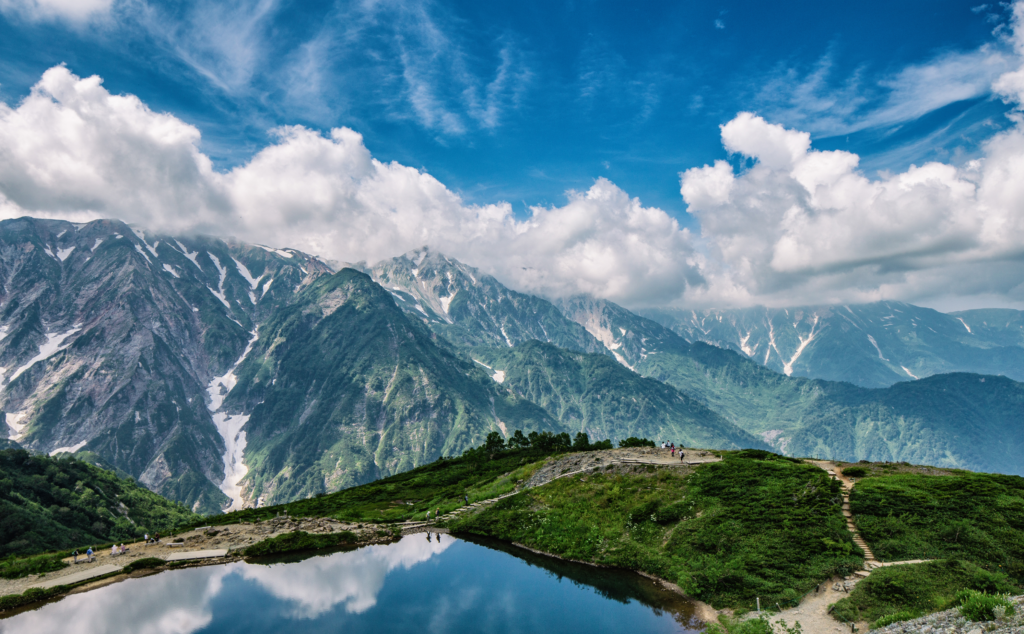
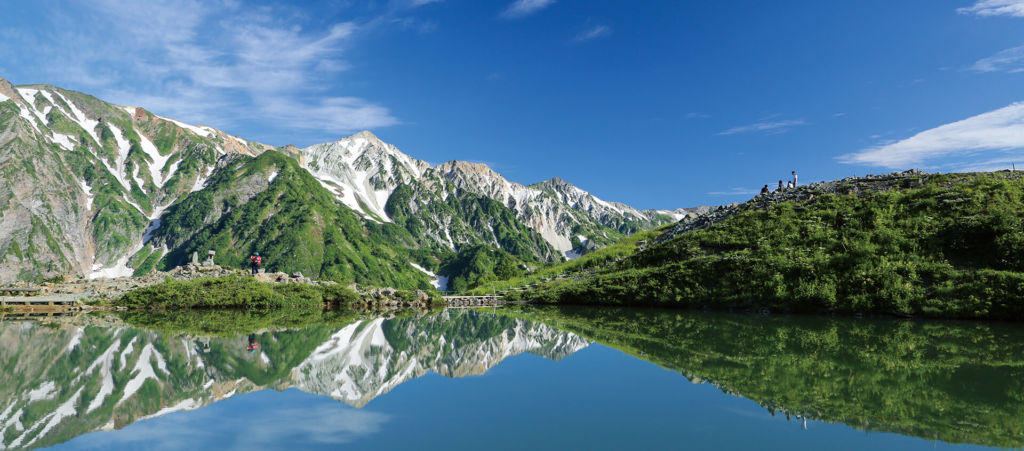
Summer is one of Hakuba’s hidden strengths. With average temperatures significantly lower than cities like Tokyo, Hakuba serves as a popular summer retreat.
Days are warm but rarely extreme, while mornings and evenings remain cool. Outdoor activities such as hiking, trekking, rafting, and mountain sightseeing are popular during this season.
Summer is ideal for travelers who enjoy nature, fresh air, and an active lifestyle without heat stress. It is also a good season for long stays and vacation home use.
Autumn in Hakuba (September to November)
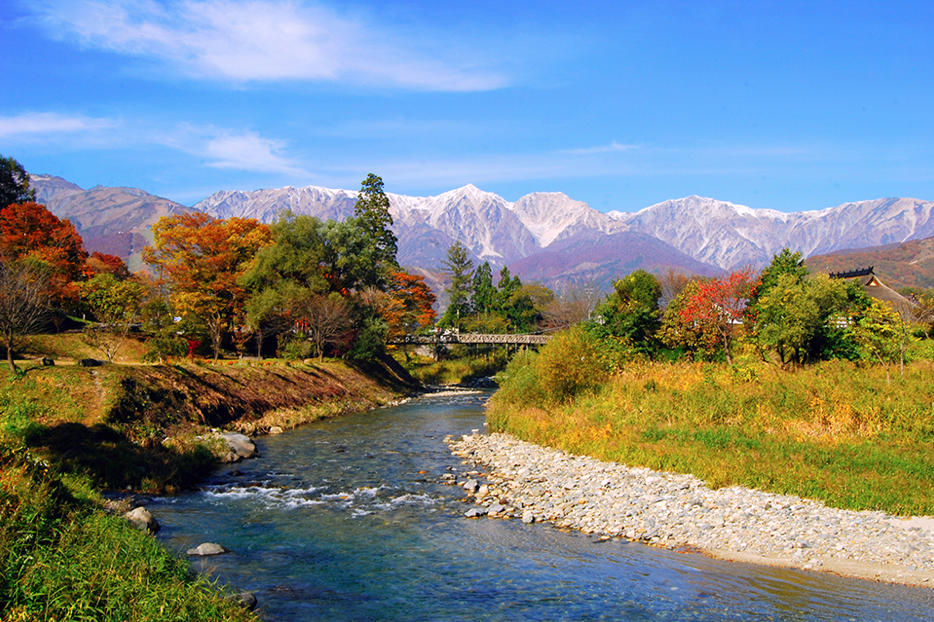
Autumn is one of the most visually beautiful seasons in Hakuba. Temperatures begin to drop in September, creating crisp mornings and pleasant daytime conditions.
From late September to early October, autumn leaves appear in higher elevations. Mid-October is peak foliage season across popular sightseeing areas, while late October to early November brings autumn colors to the village itself.
October is often considered the best month for sightseeing. The weather is cool but not severe, landscapes are colorful, and crowds are moderate. Visitors should prepare warm clothing, as temperatures drop quickly compared to urban areas.
Winter in Hakuba (December to March)

Winter is Hakuba’s most famous season. Snowfall becomes stable from December, and ski resorts typically open in early winter.
January and February represent peak winter conditions. Snowfall is frequent, snow quality is excellent, and temperatures remain low enough to preserve deep powder. This period is ideal for skiing and snowboarding but requires proper winter clothing and driving preparation.
March remains a good month for snow sports, especially in higher elevations, while offering slightly warmer daytime temperatures. It is popular with visitors who want winter activities without the harshest cold.
Choosing the Best Time Based on Your Purpose
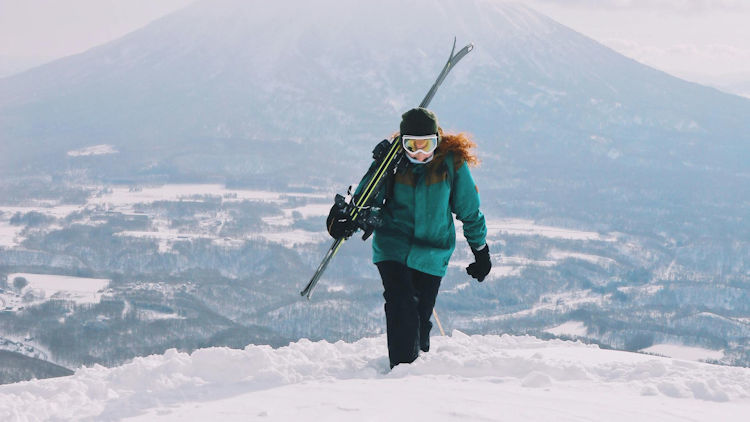
For skiing and snowboarding, the best time is January to February.
For autumn foliage and photography, mid-October is ideal.
For hiking, cycling, and outdoor sightseeing, late spring to early summer works well.
For relaxed travel with fewer crowds, April, May, and September are good choices.
Each season in Hakuba offers a different experience, and there is no single “wrong” time to visit. The key is matching the season to your travel goals.
Summary
Hakuba is a destination that changes dramatically with the seasons. Winter offers world-class snow, summer provides cool mountain air, autumn delivers stunning foliage, and spring brings calm, refreshing scenery.
The best time to visit Hakuba depends on whether you prioritize snow, scenery, outdoor activities, or a quiet retreat. By understanding seasonal weather patterns and conditions, travelers can plan a visit that fits their expectations and enjoy everything Hakuba has to offer.